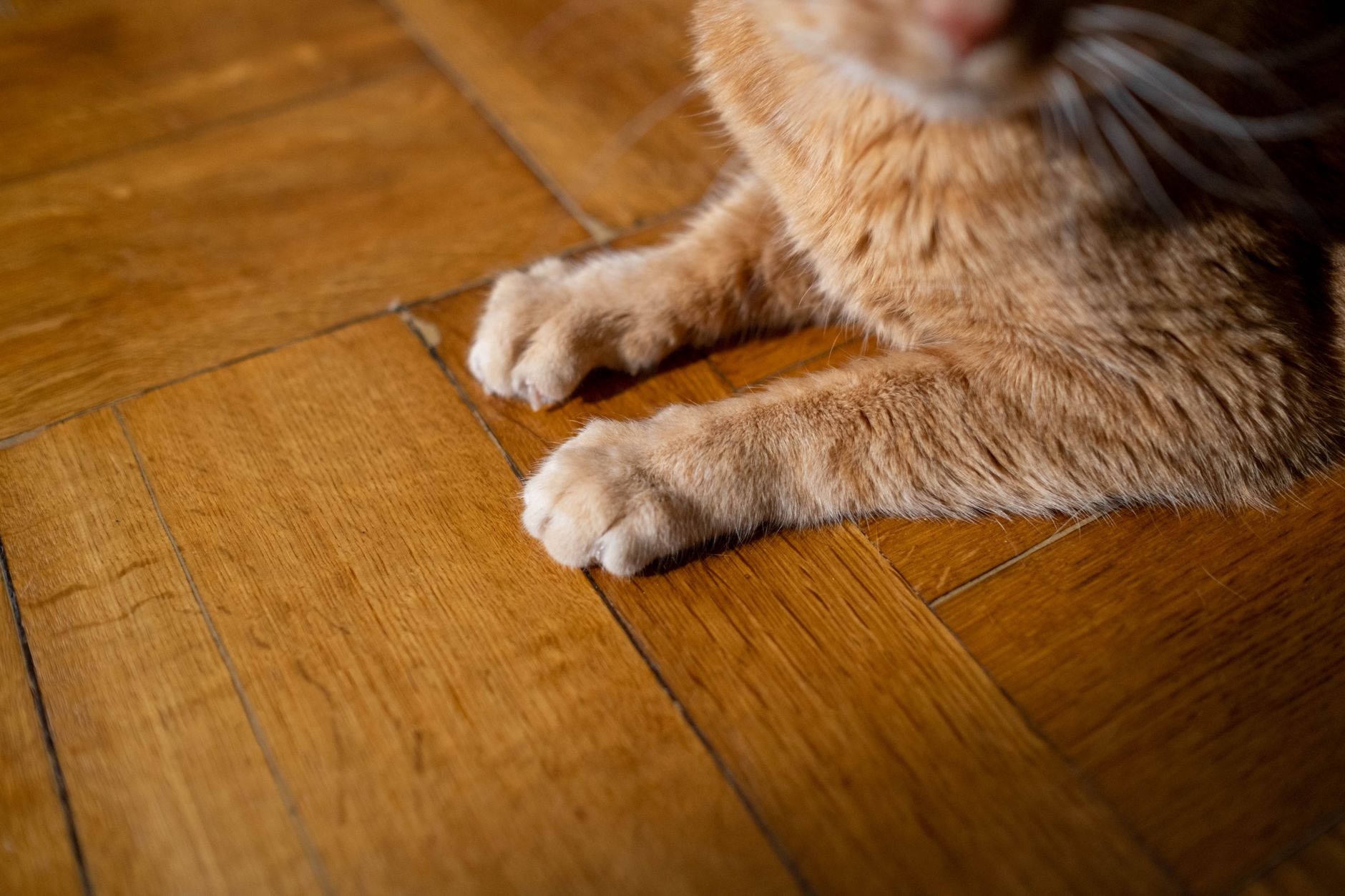
Natural Remedies When Your Cat Vomits: A Whiskered Expert’s Guide
Hi, it’s Sachat! Today we’re going to talk about a topic that isn’t very glamorous but oh so important: vomit. Yep, that little gift we cats leave on your favourite rug (never on the tiled floor, that would be too easy). If your furry companion throws up now and then, don’t panic: I’m going to share my best natural remedies for a cat that vomits. Buckle up, let’s dive in!
Why Does a Cat Vomit? Understand Before You Act
Before reaching for the natural-remedy arsenal, you need to understand why your cat is putting on its little show. Trust me, we don’t throw up for fun (well… almost never).
Hairballs, Enemy Number 1
When we groom ourselves (and we love it, it’s our favourite activity after napping), we swallow loads of fur. The result? It builds up in our stomach and eventually comes back out as nasty little sausages. These are the famous hairballs, or trichobezoars if you want to sound fancy.
Eating Too Fast, the Classic
Some of my fellow felines wolf down their bowl as if there were no tomorrow. Naturally, the stomach says “no thanks” and sends it all back. If your cat throws up right after meals, that’s probably the culprit.
Other Possible Causes
- A diet change that’s too abrupt
- A food intolerance or allergy
- Stress (yep, we’re sensitive!)
- Nibbling on a toxic plant
- Intestinal parasites
⚠️ Watch out! If your cat vomits several times a day, several days in a row, or if you see blood, lethargy or a refusal to eat: head to the vet, and fast. Natural remedies are great for minor issues, but they never replace medical advice.
Short Fasting: Letting the Stomach Breathe
My first piece of wise-cat advice is often the simplest: let the stomach rest. After a vomiting episode, remove food for 8 to 12 hours (but always leave fresh water available, of course, we’re not barbarians).
This little fast lets our digestive system calm down. Then you reintroduce food in small portions. Think bland and easy to digest: a bit of boiled chicken with no salt, for example. Trust me, we love it, and it goes down easily.
💡 Sachat’s tip: For kittens, senior cats or diabetic cats, never impose a fast without asking the vet first. Their metabolism is fragile and they need regular energy.
Cat Grass: The Natural Remedy Par Excellence
Ah, cat grass! My favourite little green treat. And get this, it’s also an excellent natural remedy when a cat vomits because of hairballs.
Cat grass (often barley or wheat) helps us naturally bring up the accumulated fur, or move it through the gut. It’s our green, organic laxative, in a way. If your cat lives in a flat with no access to the outdoors, it’s absolutely essential.
You can grow cat grass yourself (it’s easy and cheap) or buy it ready to use. Personally, I recommend a good organic grow-your-own cat grass kit – Amazon, or Catit cat grass spray – Amazon: it’s fresh, natural, and keeps the cat busy for hours.
👉 Want to pamper your kitty’s tummy? Give it a little corner of greenery all to itself, and it’ll thank you (in its own way, by royally ignoring you).
Solutions Against Hairballs
Since we’re talking about fur, let’s tackle the problem at the root (the root of the hair, get it?).
Regular Brushing
The best natural remedy is prevention. The more you brush me, the less fur I swallow. Daily brushing for long-haired breeds, two to three times a week for the others. During shedding season, step it up!
A good deshedding brush for cats – Amazon works wonders. You collect the fur on the brush rather than in my stomach. Everybody wins.
A Little Edible Oil
Half a teaspoon of olive or salmon oil in the bowl, once or twice a week, can help the fur slide through the gut. It’s a classic of the feline version of grandma’s remedies! Just don’t overdo it: too much fat means guaranteed diarrhoea.
To go further on this topic, I recommend taking a look at my article on how to manage hairballs naturally.
Soothing Natural Plants and Supplements
Mother Nature is full of treasures to calm a rebelling cat stomach. Here are my favourites.
Chamomile
As a very weak, well-cooled infusion, chamomile has soothing properties for the digestive system. A few spoonfuls mixed into the water can calm an irritated stomach. Go easy on the quantities, we’re not big tea drinkers.
Ginger
Known for its anti-nausea properties, ginger can help… but in a TINY amount (like a minuscule pinch). Many cats hate its spicy taste, so never force it.
Green Clay
Green clay powder, mixed with a little water, can coat the stomach and absorb toxins. It’s a gentle natural remedy, but ask your vet for the right dosage for your cat.
🌿 Sachat’s trick: Before introducing a plant or supplement, always check that it isn’t toxic for us cats. Some essential oils, for example, are downright dangerous for our bodies. When in doubt: abstain.
Adjusting the Diet to Avoid Vomiting
Often, the solution is right there in the bowl. Quality food means less vomit on your sofa.
Slow Down Eating Speed
If your cat is a glutton, invest in a slow-feeder bowl. These bowls with ridges force us to eat more slowly, which drastically reduces post-meal regurgitation. Magic!
Split the Meals
Rather than one big meal, offer several small portions throughout the day. Our hunter’s stomach is designed for small, frequent prey, not for royal banquets.
Choose Quality Food
Kibble or wet food rich in animal protein, with no unnecessary grains or dodgy additives, is the foundation of calm digestion. If you suspect an intolerance, try a hypoallergenic diet with a gradual transition over 7 to 10 days.
Want to dig deeper? Go read my guide on the ideal natural diet for your cat.
Hydration: Never Neglect It
When we vomit, we lose fluids. And a dehydrated cat is dangerous. Encourage your companion to drink with:
- A water fountain (we love running water, predator instinct and all)
- Several water bowls spread around the house
- Wet food rather than kibble (richer in water)
To check whether your cat is dehydrated, gently pinch the skin on the back of its neck: if it doesn’t spring right back into place, that’s a warning sign. Off to the vet.
When Do You Absolutely Need to See a Vet?
I’ll say it again, because it’s vital: natural remedies are perfect for minor, occasional issues. But head to the vet without delay if you notice:
- Repeated vomiting over more than 24 hours
- Blood or an abnormal colour in the vomit
- Extreme tiredness, a cat that hides away
- A complete refusal to eat or drink
- A swollen or painful belly
Your guardian instinct is precious: if you feel something is off, trust your gut.
There you go, you now have all my cat tricks to naturally relieve a kitty that vomits. Between short fasting, cat grass, brushing and a good diet, you’ve got everything you need to make your companion (and your rug) much happier. Take care of your little ball of fur, it deserves it!
Purrs, Sachat 🐾
Frequently Asked Questions
Why does my cat vomit often?
Common causes: hairballs, eating too quickly, a change of food, intolerance or parasites. Repeated vomiting, or vomiting with blood, needs veterinary advice.
What can I give a cat that is vomiting?
Rest the stomach for a few hours, offer fresh water, then a small portion of easily digestible food. Fibre and hydration help with hairballs.
When should I worry about my cat's vomiting?
If your cat vomits several times in 24 hours, refuses to eat, vomits blood, is listless or has a hard tummy: this is a veterinary emergency.