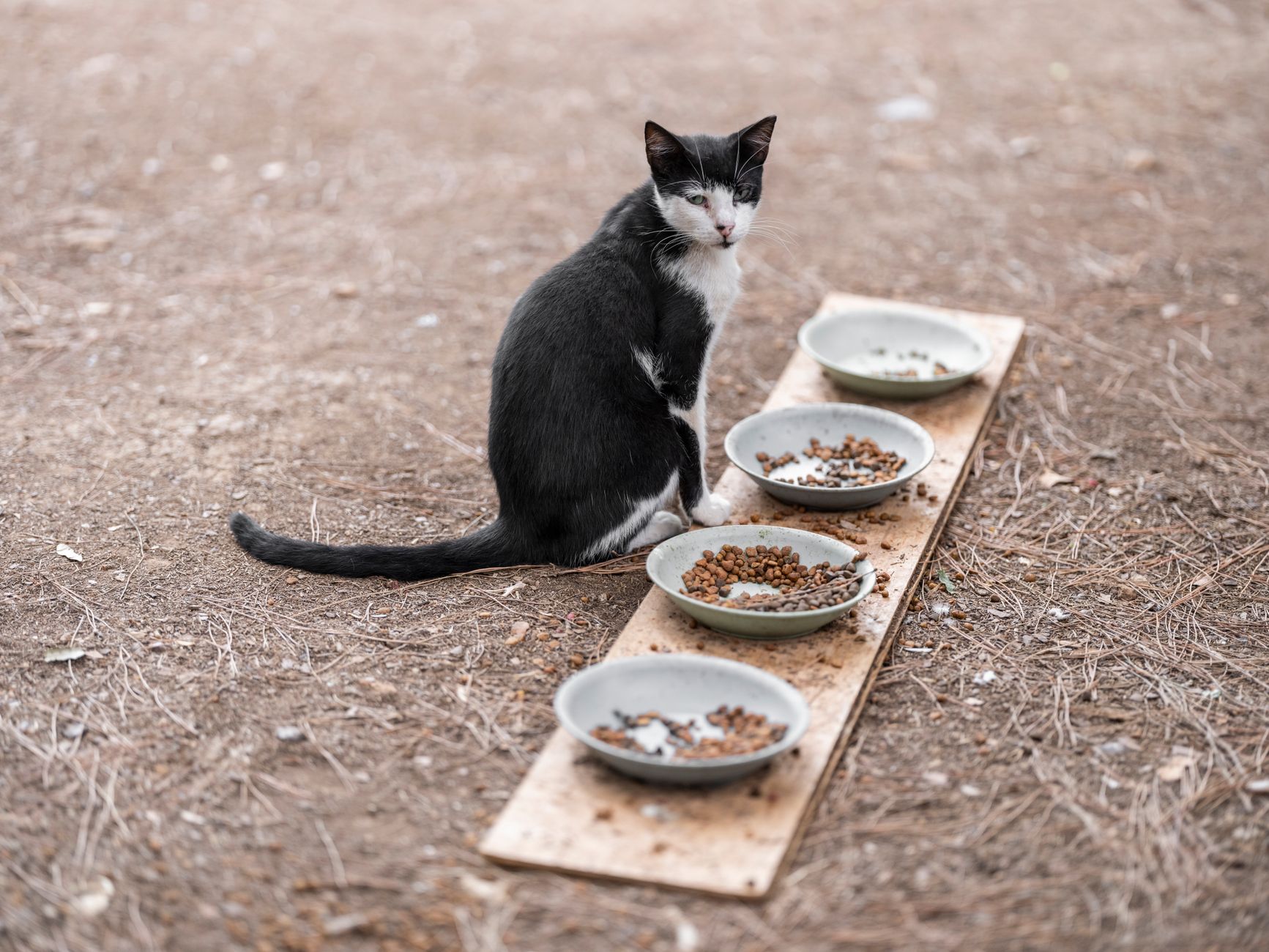
Natural Cat Food: The Complete Guide to a Feline in Peak Shape
Hey, it’s me, Sachat! 🐱 Today we’re tackling a big one, a real chunk dropped right into the food bowl: natural cat food. And trust me, this topic is especially close to my heart (and my stomach).
You might be wondering why I get so fired up about what’s in my bowl. Well, here’s the thing: what you feed me determines everything: my silky coat, my wild 3 a.m. bursts of energy, my digestion, and even my life expectancy. Just that, nothing major.
So get comfy (steal me a corner of the couch, I’m used to it), because we’re going to break down together everything you need to know to feed me like the little predator I really am.
So What Exactly Is Natural Cat Food?
Before we dive into the juicy details, let’s agree on the terms. When we talk about natural cat food, we’re not necessarily talking about letting me graze on grass in the garden (even though I love that for clearing out my system).
The idea is to get as close as possible to what I’d eat in the wild. Because deep down, beneath my sleepy plush-toy looks on your pillow, I’m still an obligate carnivore. My ancestor, the African wildcat, didn’t nibble cereals while watching Netflix. He hunted mice, birds and insects.
My Little Tiger Body
My digestive system is built to digest meat, full stop. Unlike your buddy the dog, who’s more of an omnivore, I have very specific needs:
- Plenty of animal protein: that’s my main fuel
- Taurine: a vital amino acid I can’t synthesise well on my own
- Animal fats: essential for my energy
- Very few carbohydrates: my body handles sugars poorly
- Lots of water: I’m a poor drinker, a legacy from my desert ancestors
💡 Did you know? In the wild, my prey is made up of roughly 70% water. That’s why I drink so little on my own: I’m meant to get my hydration from my food! This is exactly why a diet that’s too dry can cause me kidney trouble.
The Different Types of Natural Cat Food
Good news: there are several ways to feed me naturally. You don’t need to become a Michelin-starred chef overnight. Here are the main options.
1. BARF (Biologically Appropriate Raw Food)
BARF is the Rolls-Royce of natural feeding according to its fans. The principle? Giving me raw meat, meaty bones and organs, all raw and carefully measured out.
It’s the closest thing to my ancestral diet. A typical BARF portion contains:
- Muscle meat (chicken, turkey, rabbit, beef…)
- Meaty bones (chicken necks, wingtips…)
- Organs (liver, heart, kidneys)
- Supplements (fish oil, taurine, vitamins)
The benefits? A gorgeous coat, smaller and less smelly stools (you’ll thank me for that), better hydration and cleaner teeth thanks to all the chewing.
⚠️ Heads up! Poorly balanced BARF can be dangerous for my health. Deficiencies or excesses (especially calcium/phosphorus) can cause serious problems. If you go for it, get guidance from a veterinary nutritionist. You can’t just wing it as a feline nutritionist!
2. Home-Cooked Meals
If the idea of handling raw meat gives you the shivers, home-cooked meals are an excellent alternative. You cook my meals yourself, but the meat is cooked.
A balanced home-cooked portion generally consists of:
- 50 to 60% cooked meat or fish
- A small portion of cooked vegetables (carrot, courgette)
- A small amount of carbohydrates (well-cooked rice, sometimes)
- Essential supplements (oils, taurine, vitamins, minerals)
The major upside: you have total control over what I eat. No more mystery ingredients you can’t even pronounce.
3. Quality Kibble and Wet Food
Let’s be honest: not everyone has time to cook little dishes for me. And that’s OK! There are excellent kibbles and wet foods labelled “natural” or “grain-free” that respect my needs.
The trick is knowing how to read the labels (we’ll get to that in a moment). A good commercial food that’s rich in animal protein and low in carbs can suit me perfectly well.
To go deeper on this topic, I invite you to read my dedicated article on how to choose the right kibble for me.
How to Decode a Cat Food Label
Ah, the label! That’s where brands work their magic to make you believe their product is amazing. Learn to read between the lines and you’ll become unbeatable.
Ingredients: The Order Matters
Ingredients are listed in order of decreasing weight. So the first ingredient should be a clearly identified source of animal protein. “Chicken”, “salmon”, “turkey”: good. “Meat and animal by-products”: vague and shady.
Watch Out for Hidden Cereals and Carbs
Corn, wheat, rice, peas, potatoes… These ingredients are often used to bulk up the product cheaply. But I barely need any carbohydrates. Too high a content can lead to weight gain and diabetes.
🐾 Sachat’s tip: Aim for a food containing at least 40% protein (on a dry-matter basis) and as few carbs as possible. And steer clear of artificial colourings, preservatives and dodgy flavourings. My bowl doesn’t need to be neon pink to be tasty!
Those Famous Additives
Not all additives are bad. Added taurine, vitamins and minerals are essential. On the other hand, beware of preservatives like BHA, BHT or ethoxyquin. Go for natural preservatives such as vitamin E (tocopherols).
The Essential Nutrients I Absolutely CANNOT Miss
Whatever type of diet you choose, certain nutrients are absolutely vital for me. A deficiency, and it’s a disaster.
Taurine: My Absolute Star
If I had to pick the most important nutrient of my life, it would be taurine. This amino acid is crucial for my heart, my eyesight and my reproduction. A deficiency can make me go blind or trigger a serious heart disease (dilated cardiomyopathy).
Taurine is found naturally in meat, especially in the heart and organs. In kibble, it’s added. If you cook for me, it’s an absolutely mandatory supplement.
Animal Protein
I’ll say it again because it’s fundamental: I need quality animal protein, and lots of it. It builds my muscles, my coat, my immune defences. Plant proteins aren’t enough for me, my body doesn’t process them properly.
Essential Fatty Acids
The famous omega-3 and omega-6 are essential for my shiny coat, my healthy skin and fighting inflammation. Fish oil (salmon, sardine) is an excellent source of omega-3.
Vitamins and Minerals
Vitamin A (which, unlike you, I can’t make from carrots), vitamin D, calcium, phosphorus… The balance is delicate. That’s precisely why a homemade diet requires precise supplements.
⚠️ Common mistake! Giving only lean meat with no organs, bones or supplements = guaranteed deficiency in calcium, taurine and vitamins. A natural diet is NOT just a piece of chicken breast! Balance is the key.
Forbidden Foods: The Blacklist
Before you get cooking, memorise this list carefully. Some foods that are perfectly harmless for you are genuine poisons for me.
- Onion, garlic, shallot, chives: destroy my red blood cells
- Chocolate: toxic for my heart and nervous system
- Grapes and raisins: can cause kidney failure
- Alcohol: even the tiniest amount is dramatic
- Cow’s milk: yep, as an adult I’m often lactose intolerant!
- Cooked bones: they splinter and can perforate my intestine
- Canned (human) tuna in excess: imbalance and mercury risk
- Salty, sugary or spicy foods: not made for my body
- Avocado, raw dough, caffeine: absolutely off-limits
For the detailed list and the symptoms of poisoning, take a look at my full article on foods that are toxic to cats. It could save my life.
How to Make a Smooth Dietary Transition
Decided to change my food? Excellent idea! But careful: you don’t switch my bowl overnight. My digestive system is sensitive, and a sudden change would give me diarrhoea and vomiting (charming programme).
The 7-to-10-Day Rule
The ideal transition happens gradually, over one to two weeks:
- Days 1-3: 75% old food + 25% new
- Days 4-6: 50% / 50%
- Days 7-9: 25% old + 75% new
- Day 10: 100% new food
Keep an eye on me during this period. If my stools go soft, slow things down. Every cat has its own pace, and I’m a delicate creature (yes, I own that).
🐾 Sachat’s tip: If I’m a bit of a picky cat (“neophobic” in the jargon), gently warm up my new food to release the aromas. And above all, be patient. Never let me fast for more than 24 hours: my liver hates that and can develop a serious illness (hepatic lipidosis).
BARF, Home-Cooked or Kibble: Which to Choose?
The big question! The truth is there’s no single answer. It all depends on your time, your budget, and my specific needs.
The Time Factor
BARF and home-cooked meals take time: buying the ingredients, preparing, measuring, storing. If you’re swamped, high-end kibble and wet food will be more realistic and far better than a rushed homemade portion.
The Budget Factor
Contrary to popular belief, natural homemade food isn’t necessarily the most expensive, especially if you buy in bulk. But the supplements and equipment (freezer, scales) represent an initial investment.
The Health Factor
If I suffer from a condition (kidney, diabetes, allergy), my diet must be tailored with your vet. You don’t tinker around in those cases.
The Mixed Approach: The Best of Both Worlds?
Many humans go for a mixed approach: quality kibble in the morning, wet food or a homemade portion in the evening. It lets you vary the pleasures, improve my hydration thanks to the wet food, while staying practical. Not silly, right?
My Favourite Products for a Natural Diet
Alright, let me share a few products that make me purr with joy. Whether you choose homemade portions or high-end commercial food, here’s what you need to get off to a good start.
For Essential Supplements
If you’re going for home-cooked meals or BARF, powdered taurine is non-negotiable. I recommend a pure taurine supplement for cats – Amazon to cover my vital needs. Also add a good salmon oil rich in omega-3 – Amazon, or salmon oil on Zooplus to make my coat shine.
For Grain-Free Kibble
If you prefer simplicity, go for grain-free kibble rich in animal protein – Amazon, or Wild Freedom grain-free on Zooplus. Always check the composition, even for the products I recommend: every cat is unique.
For Good Hydration
Since I naturally drink very little, a cat water fountain – Amazon, or Catit Pixi ceramic fountain on Zooplus can encourage me to drink more. Running water instinctively draws me in. And good hydration is the guarantee of kidneys in top shape.
💡 Want to go further? Discover all my tips for staying well hydrated in my article on how to encourage your cat to drink more water. You’ll find plenty of clever tricks in there!
👉 Ready to upgrade my bowl? Start with one small change today, and watch the difference on my coat and energy in the weeks to come. Your future self (well, your future cat) will thank you!
Mistakes to Avoid at All Costs
To wrap up, let me give you the top blunders humans make with my food. Avoid them and you’ll already be at the top of your game.
1. Changing Food Too Often
Variety is good, but switching brands every week is the best way to give me digestive trouble and turn me into a fussy eater.
2. Leaving Food Out All Day
Free-access grazing encourages weight gain. It’s better to have split meals at set times. And yes, I know I beg you for food non-stop, but don’t give in to my big puss-in-boots eyes!
3. Underestimating Excess Weight
One in two cats in France is overweight. It’s not cute, it’s dangerous: diabetes, joint problems, heart disease. A well-measured natural diet helps keep me at my ideal weight.
4. Forgetting Fresh Water
Clean water, refreshed every day, in a bowl set away from my food bowl (I don’t like them stuck together). It sounds silly, but it’s essential.
5. Improvising a Homemade Portion Without Guidance
I’ll say it one last time: a poorly balanced home-cooked portion is WORSE than good kibble. Get guidance from a feline nutrition pro.
🐾 Sachat’s final word: Natural feeding isn’t a fad, it’s a return to common sense. But “natural” doesn’t mean “anything goes”. Inform yourself, take your time, ask your vet for advice, and adapt it all to MY personality. Because deep down, the best diet is the one that makes me sparkle with health and purr with happiness.
In Summary: The Key Takeaways
We’ve covered the whole topic, and you’re now an expert on natural cat food. Let’s recap:
- I’m an obligate carnivore: my meals must be rich in animal protein and low in carbohydrates
- You have several options: BARF, home-cooked meals, or quality kibble/wet food
- Taurine and the other essential nutrients must never be lacking
- Learn to read the labels and steer clear of dodgy ingredients
- The dietary transition always happens gently over 7 to 10 days
- Some foods are toxic: memorise the blacklist
- When in doubt, consult a veterinary nutritionist
A good diet is the first pillar of my health and happiness. Invest in my bowl, and I’ll repay you in cuddles, purrs and years of companionship.
So, where will you start? Whatever you choose, the important thing is to do better than yesterday. And I’ll always be here to guide you, one kibble at a time. 😺
Purrs, Sachat 🐾
Frequently Asked Questions
What is the best natural diet for a cat?
Cats are obligate carnivores: they need a diet rich in animal protein and low in carbohydrates. Quality wet food, grain-free kibble, a balanced home-cooked ration or a well-balanced raw diet are all good options.
Is grain-free kibble better?
For most cats, yes: grains are carbohydrates of little use to a carnivore. Above all, check the level of animal protein and the absence of additives, which matters more than the grain-free label alone.
Should I feed wet food or kibble?
The ideal is mostly wet food, which contains 80% water and helps keep your cat hydrated, possibly topped up with quality kibble. Wet food helps prevent the urinary problems that are common in cats.