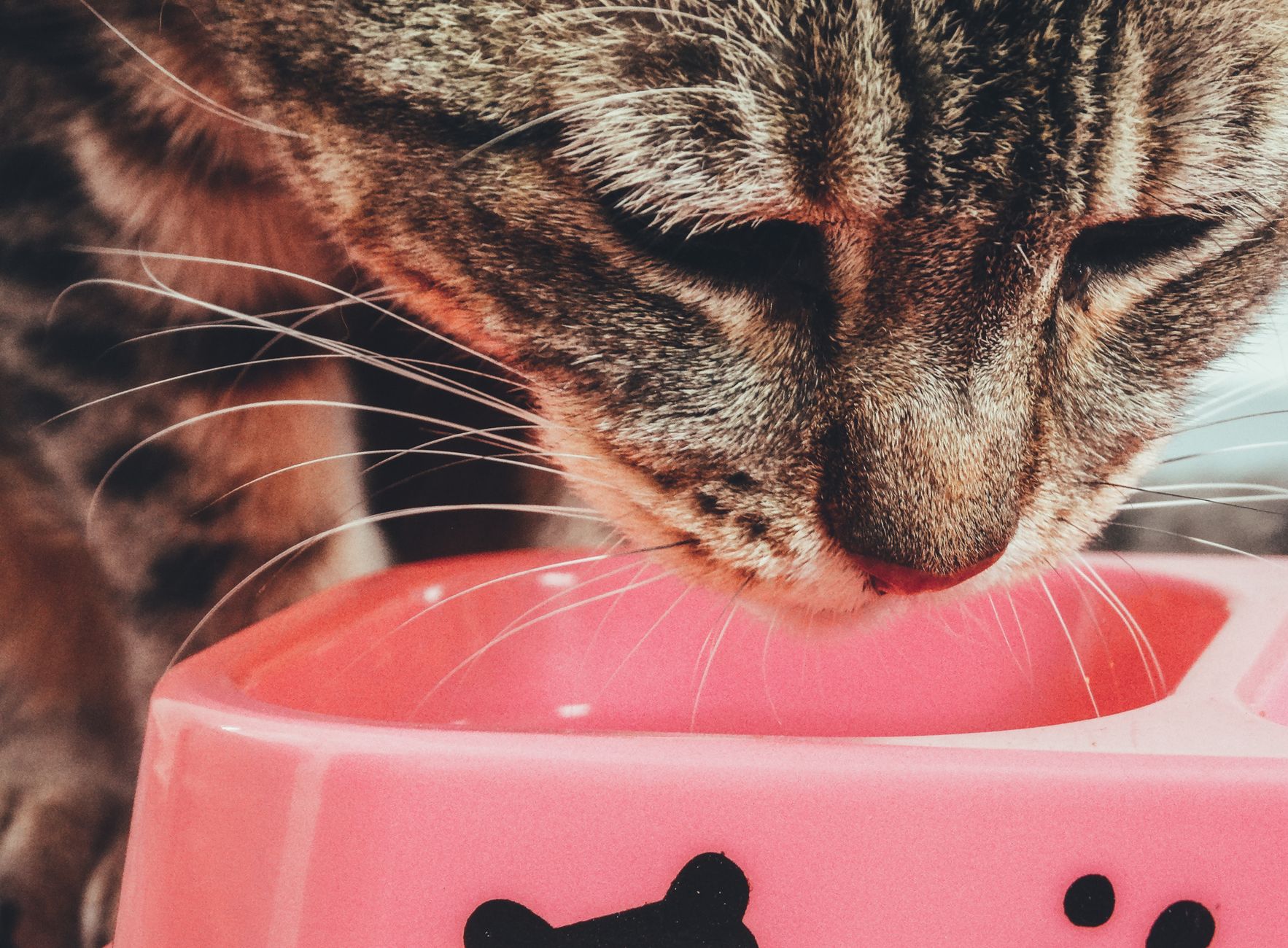
Hello, it’s Sachat! Have you noticed your companion sleeps a little more, jumps a little less high onto the sofa and sometimes turns their nose up at the bowl? Welcome to the senior cats’ club. I can feel a few extra springs in my own paw pads, and believe me, what goes on in my bowl is nothing like the days when I used to scale the curtains. From around 10 or 11 years old, a cat’s body quietly changes: a slowing metabolism, more fragile kidneys, a temperamental digestion. The good news? With the right plate, we can age very well, keeping a silky coat and a thunderous purr. Follow me, I’ll tell you everything.
When does my cat truly become a senior?
People often say a cat is a senior at around 11, and downright venerable beyond 15. But between us, every moggy has their own rhythm. Some stay proper little kids at 12, others ease off as early as 9. What matters isn’t the candles, but the signals your companion is sending you.
The signs that should set your ears twitching
Watch for the following changes: unexplained weight loss or gain, a coat that turns dull or greasy (grooming takes flexibility, and our old joints grumble), increased thirst, more frequent trips to the litter tray, or conversely a flagging appetite. None of these signs is trivial. The first reflex is never to change the bowl in a panic, but to head to the vet for a check-up, especially a kidney assessment. A senior cat deserves an annual visit, ideally two. It’s the vet, and only the vet, who makes a diagnosis.
Why senior cat nutrition changes everything
As I age, my body burns less energy, but it sometimes has more trouble absorbing protein. The paradoxical result: an older cat needs very high-quality, highly digestible protein, without an excess of phosphorus that would tire the kidneys. We’re talking about a diet that’s both gentler and more precise.
Water also becomes our best friend. We cats inherited desert-dwelling ancestors and we naturally drink little. With age, this detail can become a real concern for the kidneys. That’s why wet food takes pride of place in the senior bowl.
Premium wet food: my old-timer’s secret weapon
If you remember just one thing: wet food is gold for a cat getting on in years. A good wet food is up to 80% moisture, so hydration that eases the kidneys without me having to drain my fountain. It’s also a tender texture, perfect when teeth or gums start looking the worse for wear, which often happens in seniors.
Go for a wet food rich in real meat or real fish, with a short, readable ingredient list. I love, for instance, the Almo Nature natural kibble – Amazon, simple and tasty, or the melt-in-the-mouth recipes from Inaba Churu treats – Amazon that get my tail wagging with delight. A little old-timer’s trick: gently warming the wet food revives the aromas and brings the appetite back to the fussiest of noses.
Suitable kibble: yes, but which?
Kibble keeps its value, especially for chewing and convenience. But not all are equal for a senior’s palate and body. We’re looking for a formula rich in quality protein, low in pointless carbohydrates, and free of unnecessary cereals that don’t do much for a carnivore like me.
A grain-free cat kibble – Amazon is often a good starting point: more meat, less filler. The ideal for many of us is the mixed ration: a little kibble for the crunch and daytime nibbling, and wet food for hydration and the evening treat. Weigh out the portions, because a senior who moves less quickly develops a tummy, and excess weight is the enemy of joints and the heart.
The little natural extras that make a difference
Beyond the wet food and kibble base, a few supplements can genuinely boost an older cat’s day-to-day. Always to be cleared with your vet before introducing them, mind, we don’t play sorcerer’s apprentice with a senior.
Omega 3 for the coat and joints
Omega 3 fatty acids are golden allies for maintaining a glossy coat, supporting slightly rusty joints and soothing inflammation. A drizzle of salmon oil for cats – Amazon poured over the wet food, and hey presto, my coat regains the sheen of a leading man. Most of us are mad for it, it’s the tasty trick par excellence.
Probiotics for a settled digestion
With age, my tummy sometimes turns grumpy: soft stools, an erratic transit, patchy absorption. A course of probiotics for cats – Amazon can help rebalance the gut flora and make better use of what I eat. Ask your vet for advice on duration and dosage.
Gentle kidney support
The kidneys are the senior cat’s Achilles heel. If your vet spots a weakness, they may recommend a suitable form of support. A natural kidney supplement – Amazon can be part of the strategy, but never as a replacement for medical monitoring: it’s a helping hand, not a miracle cure.
The art of serving: the bowl matters too
It’s often forgotten, but the way you present the meal makes a huge difference to an old-timer. A bowl that’s too deep, or made of plastic that holds onto odours, can put me off. I’ve become a fine gourmet, what can I say. A ceramic cat bowl – Amazon, wide and shallow, spares my sensitive whiskers and stays nice and cool. Think too about raising it slightly: it relieves the neck and joints when we have to lean down.
As for rhythm, split my meals into small portions across the day rather than one big feast. A senior stomach digests better in several sittings. And always keep fresh, clean water available, in a quiet spot, far from the litter tray.
FAQ
At what age should I switch my cat to a senior diet?
Generally around 11, but it depends on each cat. The best thing is to discuss it with your vet at the annual check-up: they’ll assess kidney health, weight and physical condition to decide on the right moment.
Wet food or kibble for an older cat?
The ideal is often a blend of both. Wet food provides precious hydration for the kidneys and suits fragile teeth, while quality kibble maintains chewing. Adapt according to appetite and your vet’s advice.
My old cat is eating less, is it serious?
A drop in appetite in a senior should never be taken lightly. It could be the teeth, the kidneys, the thyroid or something else. See your vet without delay: a cat who stops eating altogether for 24 to 48 hours is an emergency.
Can I give supplements to my senior cat?
Yes, omega 3, probiotics or kidney support can help, but always with your vet’s approval first. Every cat is different, and a badly chosen or badly dosed supplement can do more harm than good.
There you have it, you now know everything to give your companion a tasty retirement in fine fettle. Growing old doesn’t mean giving up the pleasure of the bowl, it just means eating more cleverly. Take care of your wise old sage, and they’ll repay you in purrs.
Purrs, Sachat 🐾