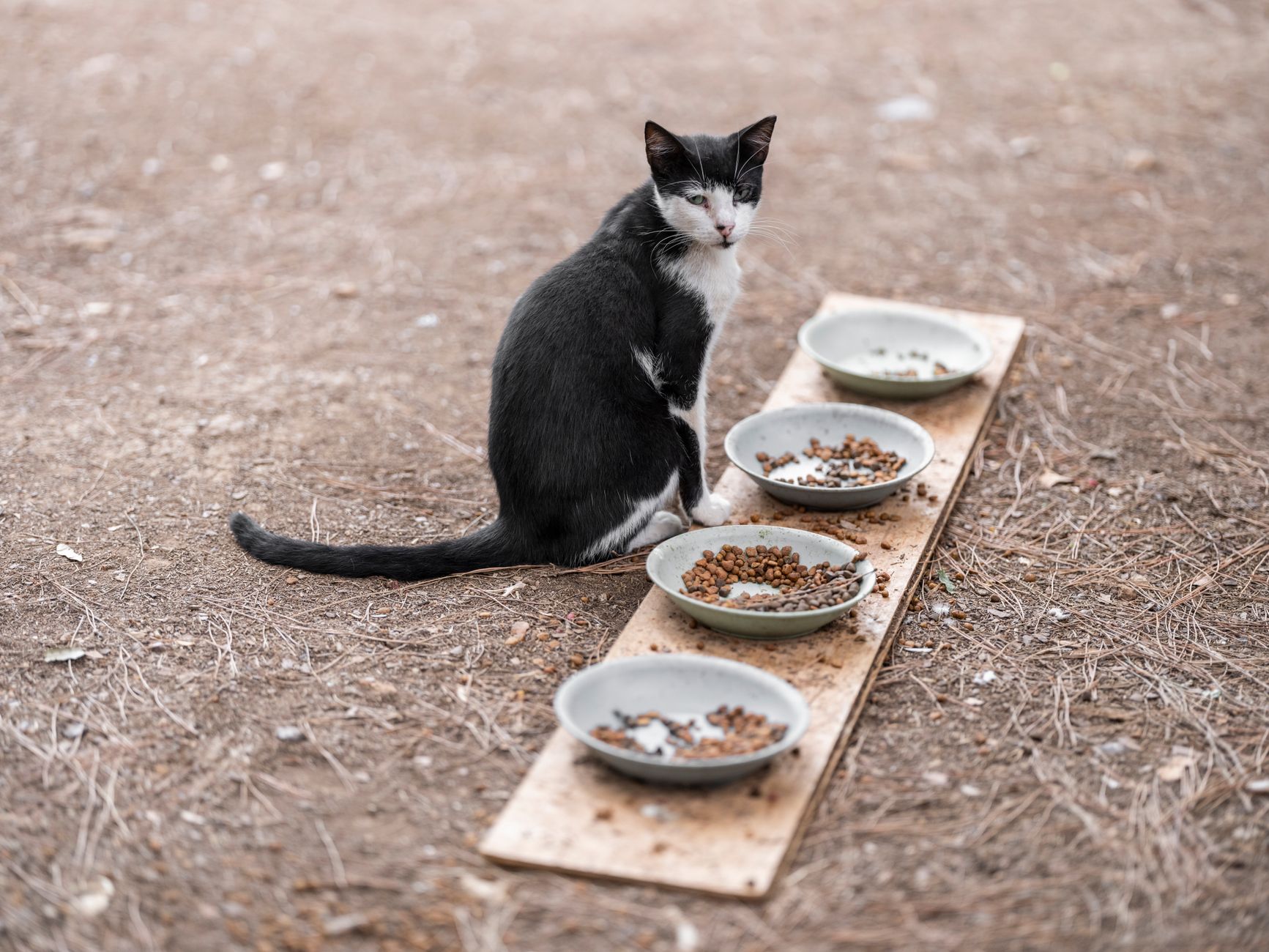
Right, let me confess something straight away: I am a thief. Not proud of it, but there we are. The moment the bowl next door looks better than mine, I help myself. And if the other one is on a diet, tough luck, I eat.
The thing is, that causes a real problem. Your vet says “renal food for him, light for her”, you put down two bowls, and within three days it is all mixed up. Nobody is on their diet. You do not even know who ate what.
A microchip feeder fixes that. Honestly, it is the only object in this house that made me sulk and was still right.
How it works, in two sentences
The lid stays shut. When a cat comes close, a reader picks up the microchip the vet implanted. If it is the right cat, the lid opens. If not, nothing moves.
No subscription, no app required, no wifi. Batteries and that is it. And if your cat is not chipped, a little collar tag comes in the box and does the same job.
Who actually needs one
Let me be straight, this is not for everyone. The cases where it changes your life:
- Several cats on different diets. The classic one. A renal cat, a light one, a kitten. Without a microchip feeder it is unmanageable.
- A cat on a diet. You can weigh his portion to the gram, if he finishes his friend’s bowl it counts for nothing. Here you are actually in control.
- Medication in the food. You know for certain that he swallowed it, and not the other one.
- A cat who bolts his food and throws it back up. You can split meals without the rest of the household helping themselves.
- Wet food left out. The lid closes again, so no dried crust and no flies. Even with one cat, that alone is worth something.
If you have one cat eating normal dry food, walk on by. A wide ceramic bowl does the job for a tenth of the price.
The one I tested
The SureFeed microchip pet feeder is the benchmark here, and by a distance. 4.4 stars across nearly 13,000 reviews, which means a lot of people have been living with one for a long time.
What I like: it remembers up to 32 cats, so you can have one each and every lid only opens for its owner. The seal is airtight, so wet food stays edible for hours. It runs on batteries, no cable lying around to chew. And the bowl lifts out and goes under the tap.
What annoyed me: the lid makes a small noise when it opens, and I sulked for three days. Three days, no more. It also takes up real floor space, and the price stings, especially if you need two or three.
One word on the bowls. The ones in the box are plastic, and plastic scratches, holds smells and sometimes gives us chin acne. The compatible stainless steel bowls (4.7 stars) drop straight in and settle the question. Honestly, get them at the same time, it saves buying them in six months.
And the water?
Different subject, and a more important one than people think. We cats drink very little. Our ancestors got most of their water from their prey. The result: on dry food, a lot of us live mildly dehydrated all the time.
That gets paid for later, in urinary crystals and kidney trouble. And the kidney is the weak point in an ageing cat.
A fountain genuinely changes things, for a daft reason: moving water attracts us. In the wild, still water is suspect and running water is safe. It is wired in. A cat who ignored his water bowl often starts drinking three times as much on day one.
Which fountain, and why I am grumbling a bit
Straight talk: I wanted to point you at a ceramic fountain. Best material there is, holds nothing, goes in the dishwasher, no plastic touching the water.
Except I looked, and not one ceramic fountain meets our standards. The models I checked top out at 10 reviews, 14, sometimes 2. On that few, there is no way to know whether the pump lasts a year or three months. I am not sending you there.
So I am going with stainless steel, which is still very good: no plastic against the water, no chin acne, it does not hold smells and it scrubs without scratching. This 2.5 litre stainless steel water fountain sits at 4.2 stars across more than 6,500 reviews. That is below our usual 4.5 bar, and I am telling you so plainly, but with that many reviews you know what you are getting, and the complaints are mostly about replacing filters rather than the pump failing.
And actually clean it. A grimy fountain is worse than a clean bowl, because biofilm settles on the pump and the water starts to taste. Full strip-down every fortnight, filter changed as the instructions say, sorted.
The pair, in practice
Here is how it looks in this house, and it has been peaceful since:
- One microchip feeder per cat, in different rooms. Not side by side, or we watch each other eat and everyone gets tense.
- Stainless steel bowls inside them.
- A fountain in a third room, away from both.
- A plain water bowl as well, somewhere else. Some cats prefer still water, so let them choose.
The result: everyone eats their own ration, you know exactly who ate what, and everyone drinks more. For a cat with kidney or urinary trouble, that is not comfort, that is treatment.
What it costs, and whether it is worth it
Let us be clear, it is not cheap. A microchip feeder is a real outlay, and with three cats you may need three.
Now set that against one vet visit for a cat who has been eating the other one’s prescription food for six months, or a course of treatment for urinary crystals. The sums turn around fairly fast. And these things last years.
If money is tight, my advice: start with the fountain. It is the biggest health gain for the smallest spend. The microchip feeder comes later, when you genuinely have crossed diets to sort out.
In short
Several cats on different diets, or one cat on a diet: the microchip feeder is the only thing that truly works, everything else is permanent supervision. One cat eating normally: skip it.
The fountain, though, I recommend to everyone. We drink too little, it gets paid for in kidneys, and a bit of moving water is enough to change all of it. You know the sort of object that looks like nothing and does more than half the supplements on the shelf? That is this one.
Purrs, Sachat 🐾
Related reading
- How to Get Your Cat to Drink: 10 Tips & Fountains
- Senior Cat Nutrition: Sachat’s Complete Guide
- Natural Cat Food: The Complete 2026 Guide
Frequently asked questions
How does a microchip cat feeder work?
The lid stays closed until an authorised cat approaches. A reader picks up the identification microchip implanted by the vet and opens only for registered cats. No subscription or wifi is needed, it runs on batteries, and a collar tag is included for cats who are not chipped.
Is a microchip feeder worth it with only one cat?
Rarely. It still helps with wet food, since the lid stops it drying out and keeps flies away, or for a cat who must eat small split meals. But for a single cat on dry food, a wide ceramic bowl does the same job for far less.
Does my cat need to be microchipped to use one?
No. The implanted chip is the most convenient option, but a collar tag is supplied and does exactly the same thing. The unit stores several animals, so you can assign one feeder to each cat.
Why use a fountain rather than a water bowl?
Because moving water attracts cats, whose instinct reads still water as risky and running water as safe. Many cats on dry food live mildly dehydrated, which strains the kidneys and encourages urinary crystals. A fountain often multiplies how much they drink within days.
What material should a cat water fountain be?
Stainless steel or ceramic, never plastic against the water: it scratches, holds smells and encourages chin acne. Ceramic fountains remain rare and too thinly reviewed to recommend with confidence, so stainless steel is the best compromise available today.
Where should the fountain go?
Away from the food bowl and the litter tray, in a quiet spot out of the through traffic. Cats instinctively avoid drinking near their food, a reflex inherited from ancestors wary of water fouled by prey. Leaving a plain bowl elsewhere as well lets each cat choose.