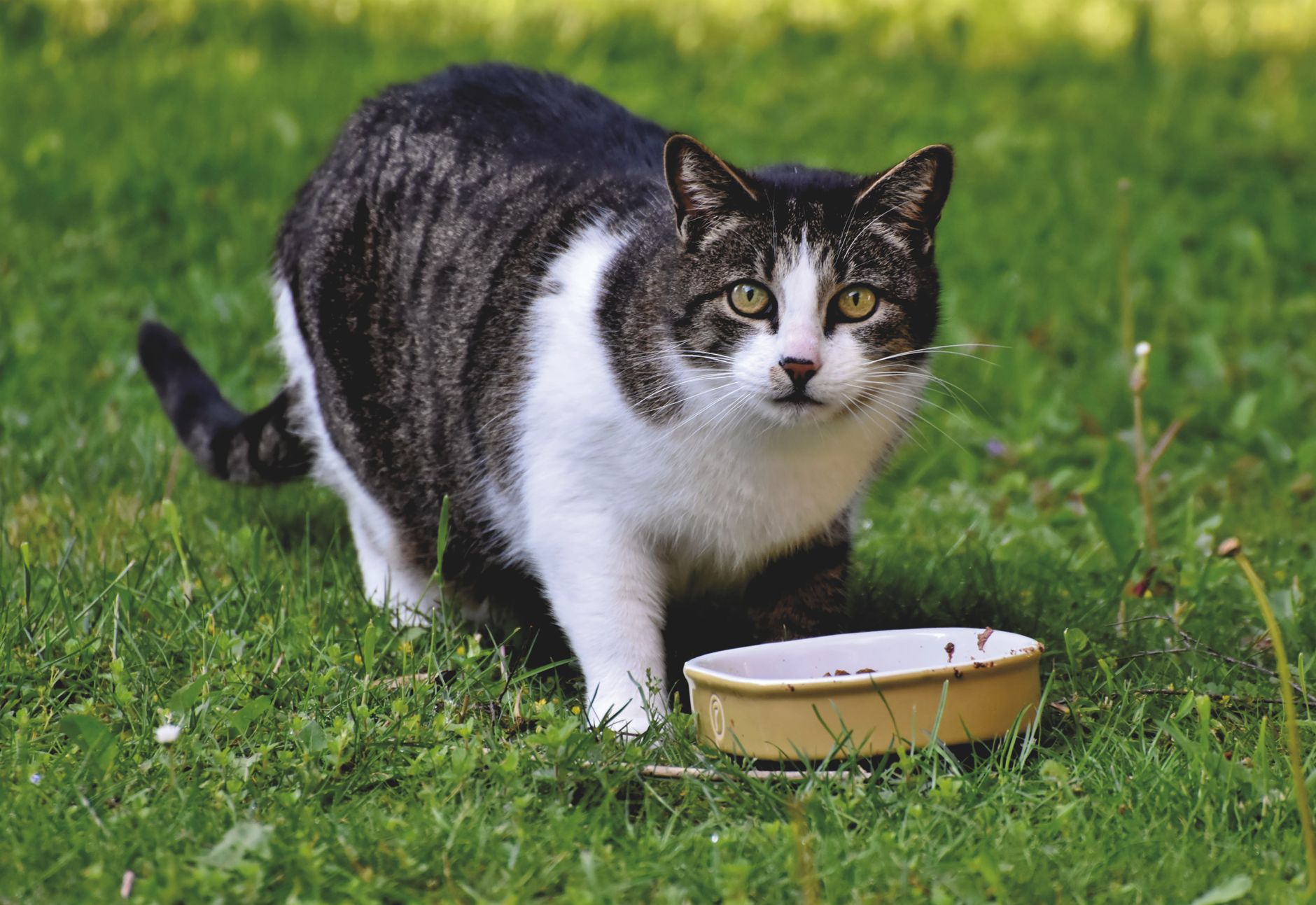
Top 5 organic cat foods: my pick as a demanding gourmet
Hi there, it’s Sachat! Let me tell you something. The other day, my human plonked a bowl of bargain-bin kibble in front of me, panic-bought at the supermarket. You know what I did? I stared at her. For a long time. With that look that says “Are you kidding me right now?” Because here’s the thing: a cat has taste. And above all, a cat deserves the very best in its bowl.
Today we’re diving into a subject that’s especially close to my heart (and my stomach): the great organic cat food comparison. I’m going to walk you through my pick of the 5 best organic cat foods around right now, with their strengths, their little flaws, and a well-earned score out of 5. Buckle up, we’re off on the hunt for the best kibble!
Why switch your cat to organic kibble?
Before I throw my top 5 at you, let’s take two minutes to talk about the “why.” Because I know you, you’ll want to understand before you reach for your wallet (and quite rightly too).
Organic kibble is first and foremost about ingredient quality. No more dodgy animal by-products, artificial colourings, or chemical preservatives with unpronounceable names. A proper organic kibble means meat from farms that respect their animals, grains (or none at all) grown without synthetic pesticides, and total transparency about what’s inside.
So in practical terms, what does that change for us cats? Better digestion, a shinier coat, fewer allergies, and overall, an iron constitution. My cousin Whiskers switched to organic six months ago and I swear he’s knocked three years off his age (in his head, at least).
⚠️ Watch out for greenwashing! Not every kibble with a little green leaf on the bag is genuinely organic. Look for an official certified organic label (such as the EU organic leaf or your country’s recognised standard). Without a certified label, it’s just marketing designed to make your wallet purr, in reverse.
How I put this comparison together
I’m not the type to hand out scores at random (even if I do sometimes walk across the keyboard for no obvious reason). For this organic cat food comparison, I judged each product on several criteria:
- The composition: animal protein content, presence or absence of grains, quality of the ingredients
- The organic certification: an official label or just a marketing claim
- The palatability: do my fellow felines pounce on it or turn up their noses?
- The value for money: because organic is great, but you shouldn’t have to sell a kidney
- The digestibility: clean litter box equals happy cat (and grateful human)
Right, on to the ranking! From least good to best, to build the suspense like a proper hunting session.
5. Yarrah Organic, the honest entry-level choice
We kick off with a pioneer of organic pet food: Yarrah Organic Chicken Kibble on Amazon, or Yarrah on Amazon (often better stocked and in larger sizes). This Dutch brand has been around since the 90s and has made organic its religion.
What I liked
The composition is clean: organic chicken, organic grains, and a solid European certification. Yarrah is also committed to animal welfare, which obviously speaks to me as a conscientious feline. The price stays reasonable for organic, so it’s a good starting point if you’re just getting going.
The little downsides
The animal protein content is a touch low for the strict carnivores we are. The high proportion of grains won’t suit sensitive or overweight cats. The palatability is decent without being exceptional: my mate Felix took three days to get used to it.
💡 My tip: Yarrah is perfect for a gentle transition into organic. Mix it in gradually with the old kibble over the course of a week to avoid tummy troubles. Our stomachs hate sudden changes!
Score: 3.5/5, a solid, serious student, but lacking a little flair.
4. Almo Nature Organic, the Italian gourmet
Off to Italy with Almo Nature Bio Organic – Amazon, or Almo Nature Organic on Zooplus. This brand has a philosophy I love: all their profits are reinvested into animal protection. Ethical kibble, in other words.
What I liked
The palatability is genuinely there. The flavours are varied (chicken, beef, turkey) and the organic ingredients are good quality. The brand goes for simple, easy-to-read recipes with no unnecessary additives. For a fussy cat, it’s often a slam dunk.
The little downsides
The price climbs noticeably compared with Yarrah. And the dry kibble range is still less developed than their wet offering (pâtés). If you’re after an all-kibble diet, the choice is a bit limited.
Score: 3.8/5, delicious and principled, but budget accordingly.
3. Lily’s Kitchen Organic, the British touch of class
We move up a gear with Lily’s Kitchen Organic Kibble on Amazon, or Lily’s Kitchen on Zooplus (full range, more reliable availability), the British brand that has won over even the snobbiest of cats (yes, I include myself in that).
What I liked
The quality of the ingredients is remarkable: organic meat in generous amounts, vegetables, aromatic herbs, and even superfoods like aronia berries. The composition clearly puts animal protein front and centre. The packaging is pretty, but more importantly, the contents live up to it. My coat shone like never before after two weeks of testing.
The little downsides
The price, inevitably. We’re entering premium territory and you’ll feel it when you pay. Some recipes still contain a little grain, which can bother truly sensitive cats. And availability in the UK can be a bit hit and miss.
🐾 Sachat’s hack: To save money on premium kibble, buy the large bags (2 kg and up) and store them in an airtight container away from light. That way the kibble keeps all its aroma and you pay less per kilo. Clever, eh?
Score: 4.2/5, affordable luxury for anyone who wants to spoil their cat.
2. Defu Organic, the no-compromise German
The silver medal goes to Defu Organic Grain-Free Kibble – Amazon, or Wild Freedom Grain-Free on Zooplus, a German brand specialised 100% in organic pet food. And here we’re talking serious business.
What I liked
Defu offers grain-free recipes, which fit our nature as strict carnivores perfectly. The organic meat content is high, the certification is rock solid (a very demanding German organic label), and the digestibility is exemplary. The result in the litter box: spotless. My human was delighted.
The other strength is the brand’s total commitment: no non-organic products in their catalogue, unlike many competitors who treat organic as an “optional extra.” Here it’s all or nothing, and I love that consistency.
The little downsides
The price is high, no surprise for this kind of quality. And the palatability, while good, can catch out cats used to industrial kibble heavily “boosted” with artificial flavours. An adjustment period is sometimes needed.
Score: 4.5/5, a benchmark for grain-free organic purists.
💡 Did you know? Switching to a grain-free diet can genuinely change the life of a cat prone to digestive or urinary problems. If your cat tends to bring food back up or has transit troubles, it’s well worth a try. To learn more, go and have a look at my guide to grain-free feeding.
1. Edgard & Cooper Organic, the big winner
Drumroll, please… The top spot in my organic cat food comparison goes to Edgard & Cooper Organic Kibble – Amazon. This young Belgian brand has got it all figured out, and they’ve proven it bowl after bowl.
What I liked (and that’s a lot)
Honestly, it’s the winning combination. A flawless composition with an impressive amount of fresh organic meat, no grains, fruit and vegetables for fibre, and zero artificial additives. The transparency is total: you know exactly where each ingredient comes from.
The palatability is just wild. Seriously, the moment my human opened the bag, I shot into the kitchen like a rocket. My feline taste-testers all approved unanimously, even the fussiest ones. The coat, the energy, the digestion: everything improved over time.
The cherry on the kibble: the brand is environmentally committed, with compostable packaging and a carbon-neutral approach. Eating well AND respecting the planet, that’s a clear conscience between two naps.
The little downsides (because there have to be some)
The price is at the top end, of course. And since the brand is expanding fast, some flavours can be out of stock. But honestly, that’s all I can find to grumble about.
Score: 4.8/5, the perfect bowl, or near enough. My absolute favourite.
🐾 Ready to treat your cat? If you want to give your companion the very best organic has to offer, it’s this way. Your cat will thank you with grateful purrs (and maybe a slightly less scornful look in the morning).
👉 Edgard & Cooper Organic on Amazon, or Edgard & Cooper on Amazon (large size, fast delivery)
My comparison at a glance
So you can see it all in one glance (because I know you’ve got better things to do than read a novel), here’s the summary of my ranking:
- 🥇 Edgard & Cooper Organic, 4.8/5, the best balance of quality, palatability and ethics
- 🥈 Defu Organic, 4.5/5, the grain-free benchmark for purists
- 🥉 Lily’s Kitchen Organic, 4.2/5, the chic and tasty premium pick
- 4. Almo Nature Organic, 3.8/5, the principled Italian gourmet
- 5. Yarrah Organic, 3.5/5, the honest, accessible entry-level choice
How to choose the right organic kibble?
Now that you’ve got all the cards in hand, how do you decide? It all depends on your cat and your budget. Let me point you in the right direction like a pro.
If you’re new to organic
Start with Yarrah or Almo Nature. These are affordable options that let you test your cat’s reaction without blowing your budget. If all goes well, you can move up the range afterwards.
If your cat has digestive or urinary troubles
Head for grain-free: Defu Organic or Edgard & Cooper. These kibbles respect our carnivorous nature and are generally better tolerated by delicate stomachs. And don’t forget to check that your cat is drinking enough: good hydration is key. If you’re struggling on that front, do read my tips for getting your cat to drink.
If you want the very best, full stop
Edgard & Cooper, no hesitation. It’s my big winner and the one I’d recommend to my own litter (if I had one). Quality, taste, ethics: the perfect combo.
⚠️ Don’t forget the transition! Whichever organic kibble you choose, always change food gradually over 7 to 10 days. Mix the old and the new, increasing the proportions little by little. A sudden change equals guaranteed tummy troubles equals a grumpy cat. You’ve been warned!
Organic kibble: my final tips from a savvy cat
There you go, now you know everything about my organic cat food comparison! Before I let you dash off towards the perfect bowl, a few common-sense feline reminders.
Organic is an investment in your cat’s health. Yes, it costs more upfront, but in the long run you can save on vet bills (a well-fed cat falls ill less often). And let’s be honest: we thoroughly deserve it.
Keep in mind too that kibble, even organic, isn’t everything. A good diet also includes some wet food (pâtés), fresh water on tap, and the right portion size to avoid weight gain. Because a chubby cat is cute, sure, but it’s not a sign of good health.
Finally, watch your cat. He’s the best judge. If he has a shiny coat, plenty of energy, good digestion, and pounces on his bowl, you’ve hit the mark. And if you’re still hesitating, remember you can always order small sizes to test before committing to a big bag.
On that note, I’m off to check that my human has filled my bowl with the right kibble. I’m keeping an eye on her. Take good care of your little feline, he’s more than worth it!
Purrs, Sachat 🐾
Frequently Asked Questions
Is organic kibble better for cats?
Organic kibble limits additives and pesticides, but the decisive criterion remains the level of animal protein and the absence of unnecessary grains.
How do I choose good cat kibble?
Check for a majority of named animal proteins, few carbohydrates, no questionable additives, and match it to the cat's age and health.
Kibble or wet food: which should I choose?
The ideal is mostly wet food for hydration, topped up with quality kibble. Wet food helps prevent urinary problems.