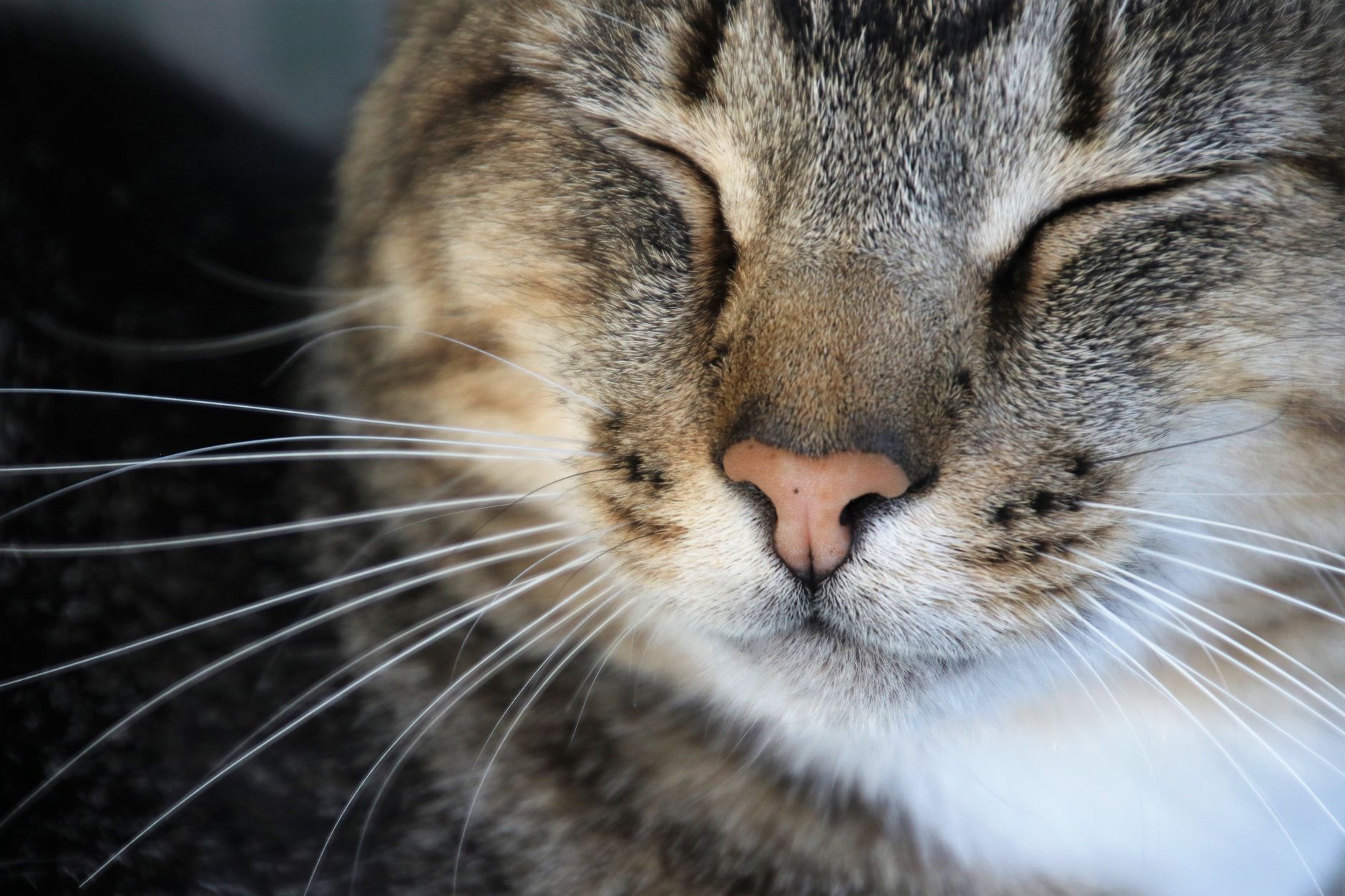
Hello, it’s Sachat. Today I want to talk about a subject that tightens my little paw pads a bit: kidney failure. With us cats, especially as we get older, the kidneys often end up tiring out. It’s one of the most common conditions in senior moggies. But before you panic: no, it isn’t some grim sentence, and yes, we can still enjoy lovely years ahead. As long as you go about it the right way, and above all understand one thing right from the start.
Kidney failure is diagnosed and monitored at the vet’s. Full stop. The natural side I’m about to tell you about is there to improve comfort and daily life, never a replacement treatment. Are we agreed on that? Lovely, then we can carry on like friends.
What is kidney failure in cats?
Our kidneys, us cats, do a crucial job: filtering the blood, removing waste through the urine, managing water and certain minerals. When they wear out, they can no longer filter properly, and toxins build up in the body. That is what kidney failure is.
There are two main forms. Acute kidney failure comes on suddenly (poisoning, a urinary blockage, severe dehydration): it’s an absolute veterinary emergency. Chronic kidney failure, on the other hand, sets in slowly, over months or years, especially in cats over 7 to 10 years old. It’s the most common type, and it’s the one we manage day to day above all.
The trouble is that we’re champions at hiding illness. By the time the first signs become visible, a good part of the kidneys is already affected. Which is why early detection matters so enormously.
The signs that should put you on alert
You know your cat better than anyone. Here are the clues that warrant a vet appointment without dragging your feet:
- He drinks far more and the litter tray is soaked more often (the kidneys can no longer concentrate the urine).
- He loses weight while eating normally, or he goes off his food.
- His coat turns dull, ruffled, badly kept.
- He’s more sluggish, more tired, sleeps even more than usual (and yet we’re rather good at that game).
- Sometimes vomiting, a slightly chemical bad breath, pale gums.
If you tick several boxes, don’t play doctor: off to the vet. A blood test (urea, creatinine, SDMA) and a urine analysis make it possible to confirm the diagnosis, assess the stage and set up monitoring. That’s the foundation of everything else.
The vet first: what they put in place
Once the diagnosis is made, your vet will steer the care: a suitable kidney diet, sometimes medication for blood pressure or to limit the loss of protein in the urine, and regular monitoring of the test results to fine-tune things. In some cases, they suggest subcutaneous fluids to rehydrate, something they can teach you to do at home.
Everything I tell you next comes in addition to this medical framework, never in place of it. And every addition, even a natural one, deserves a word with your vet, because certain supplements or foods rich in phosphorus can actually tire out kidneys that are already fragile.
Helping the natural way: hydration above all
If there’s only one thing to remember on the daily front, it’s this one: a cat with kidney trouble needs to drink, drink, drink. The more we hydrate, the more we help the kidneys remove waste and the better we feel. The snag is that we’re poor drinkers by nature (our desert ancestors drew water from their prey).
Betting on wet food
The best tip, by far, is wet food. A good pouch contains up to 80% water: at every meal, we hydrate without even thinking about it. I’m a big fan of simple, well-balanced recipes like the Almo Nature kibble – Amazon, and to ring the changes (because a fussy cat eats better when things vary) the Inaba Churu treats – Amazon often wins over even the pickiest eaters. Do still ask your vet whether a specific kidney formula is right for your case.
Making water easy to reach
Scatter several water spots around the house, away from the litter tray and the bowl of biscuits. Many of us prefer moving water: a fountain can turn a lazy drinker into a real enthusiast. You can also add a little warm water to the wet food to make a light soup, we love that.
The extra natural helpers
Beyond hydration, a few allies can support comfort, always in agreement with your vet.
Some owners turn to a natural kidney supplement for cats – Amazon, designed to support kidney function. It isn’t magic and it doesn’t cure kidney failure, but it can be part of a comfort routine. Once again: check the composition and the relevance with your vet before serving it to me.
On the coat and fur side (often dull in cats with kidney trouble), a little salmon oil for cats – Amazon brings welcome omega-3s and makes the bowl more appetising, which helps a cat who’s sulking. To be dosed with care and, you’re starting to know the tune, to be mentioned to your vet.
The rest is plain feline common sense: a quiet, warm corner to rest in, little stress, meals in small amounts spread through the day, and plenty of tenderness. Morale counts too in the comfort of a poorly cat.
FAQ
Can kidney failure in cats be cured?
Chronic kidney failure cannot be cured, but it can be managed very well. With veterinary monitoring, a suitable diet and good hydration, many cats still live for a long time and comfortably. The acute form, caught in time, can sometimes be reversible: it’s an emergency not to be taken lightly.
Can natural remedies replace the vet’s treatment?
No, never. Supplements, wet food or salmon oil support and improve comfort, but they replace neither the diagnosis, nor the monitoring, nor any medication. Any natural addition must be approved by your vet, because some can be contraindicated.
How do you get a cat with kidney failure to drink more?
Switch to wet food (rich in water), scatter several bowls of fresh water around the house, offer a fountain, and add a little warm water to the wet food to make a soup. Avoid placing the water right next to the litter tray or the biscuits, we’re not too keen on that.
How often should you have check-ups at the vet?
It depends on the stage and your vet’s view. Generally, regular blood and urine checks make it possible to adjust the diet and the treatments. For healthy senior cats, an annual review helps catch the problem early, before the visible symptoms.
Purrs, Sachat 🐾