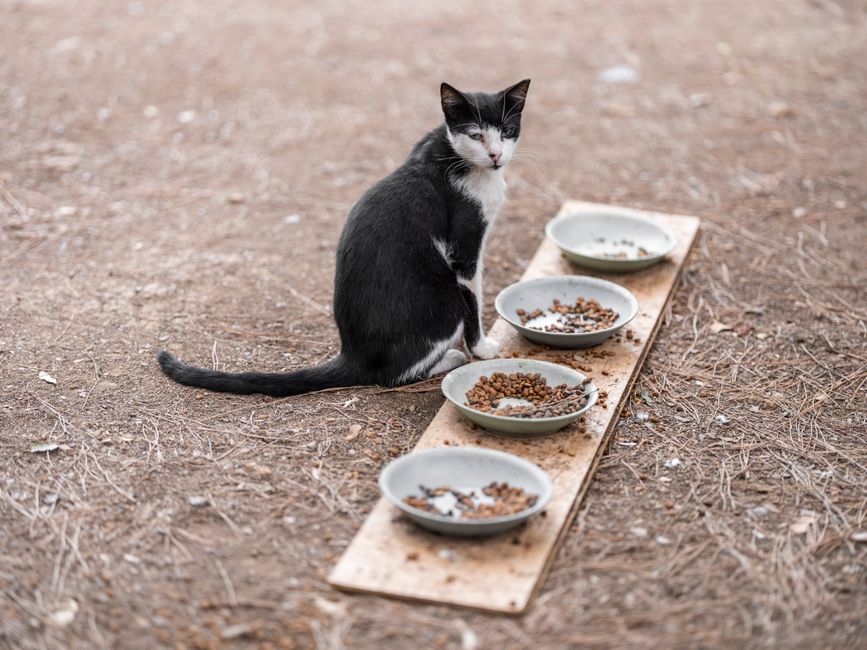
My belly is my second brain (the first one being fully dedicated to kibble and naps). When my gut flora is happy, everything is happy: digestion, immunity, a glossy coat, good spirits all round. When it goes off the rails, after antibiotics, a dewormer, a house move or a change of bowl, it’s diarrhoea, dragon-grade gas, and litter-box art with a very modern flair. Probiotics are the tool to put things back in order. Cat-to-human explainer coming right up.
So what exactly is a probiotic?
Good live bacteria (Enterococcus faecium, Lactobacillus, Bifidobacterium and friends) that come in to reinforce my gut flora, my microbiome. Not to be confused with prebiotics (FOS, inulin), which are the fibres that FEED those good bacteria. The combo of the two is called a synbiotic, and that’s often what you’ll find in the better products.
When probiotics are genuinely useful
- After a course of antibiotics: the antibiotic wipes everything out, including the good guys
- After a dewormer: to gently reseed the gut, see my natural dewormer guide
- Chronic diarrhoea or soft stools (once your vet has ruled out anything serious)
- Diet changes: a new food means flora in turmoil, have a read of my natural feeding guide
- Stressful periods: moving house, a new four-legged flatmate, a stay at the cattery; the gut-brain axis is a thing for us too
- Senior cats: the flora ages along with us, see my supplements for senior cats
How to choose well
- Strains documented for cats: Enterococcus faecium SF68 is the most studied one in our species
- A high enough count: at least 1 billion CFU (colony-forming units) per dose
- A realistic format: tasteless powder to mix into wet food beats a capsule you have to force down my throat
- With prebiotics built in (FOS): the complete package
- Cat-specific: not a product made for humans, the dosing and strains are different
You’ll find cat probiotics in powder form – Amazon and complete synbiotics – Amazon at reasonable prices. Budget around 15 to 25 for a one-month course.
How to run a course
- Length: 2 to 4 weeks for a real effect (not 3 days)
- In wet food at room temperature, never in a hot bowl, heat kills the live bacteria
- Consistency: every day at the same time, otherwise it’s pointless
- Storage: somewhere cool and dry, with the tub tightly closed
Natural sources: useful or just a gimmick?
Yoghurt and kefir? Bad idea: most of us digest lactose poorly, and human strains don’t colonise our gut. Brewer’s yeast, on the other hand, is a genuine, cat-approved prebiotic (and it makes my coat look gorgeous too). Homemade bone broth provides collagen that supports the gut lining. But for real reseeding after antibiotics, nothing replaces a properly dosed feline probiotic.
In short
Probiotics aren’t a marketing gimmick: after antibiotics, a dewormer, a big dose of stress or during a diet change, a 3 to 4 week course of a well-dosed feline product (E. faecium, 1 billion CFU minimum) gets my digestive factory running again. A happy belly means a happy cat, and that’s actually backed by science.
Purrs, Sachat 🐾
Frequently Asked Questions
What are probiotics for cats used for?
They rebalance the gut flora, useful after antibiotics or worming, during diarrhoea, food transitions or stress.
When should I give a cat probiotics?
After an antibiotic, a wormer, in case of chronic loose stools or during a stressful period, as a 2 to 4 week course.
Are human probiotics suitable for cats?
No, choose a feline probiotic (Enterococcus faecium strain, suitable dosage). Yoghurt is not suitable because of the lactose.