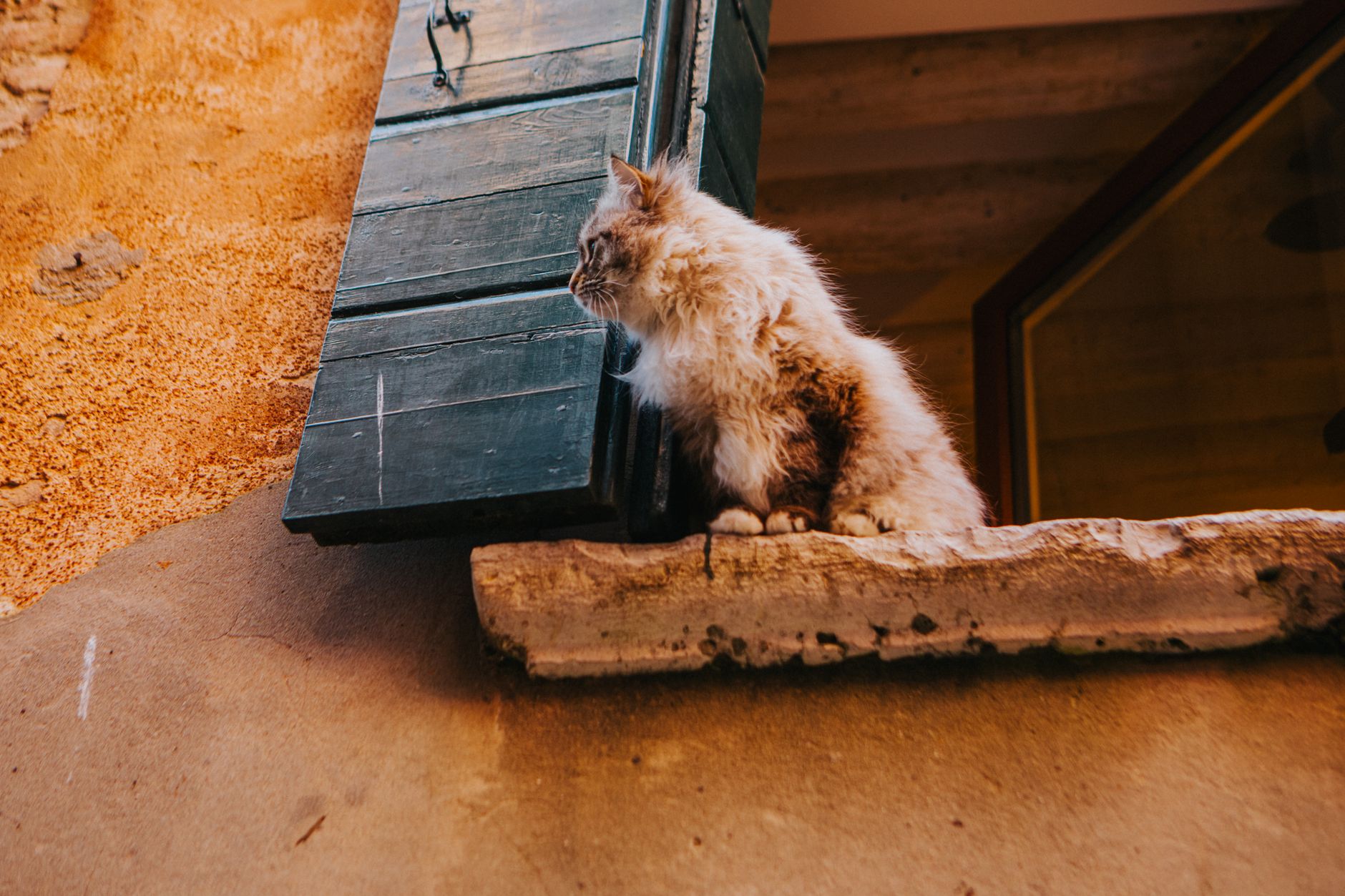
Plants toxic to cats: what your feline should never nibble on
Hey there, it’s Sachat 🐱 Let me tell you something. The other day, my friend Minette decided to go full herbivore on a bouquet of lilies her mum had just received. The result: a big scare, an emergency trip to the vet, and a lesson well learned. Because yes, us cats, we’re curious… sometimes a little too much. And some of the plants decorating your living room can put us in real danger.
In this article, I’ll walk you through the list of plants toxic to cats, how to spot the symptoms of poisoning, and above all how to keep your home looking lovely without risking my skin (well, your kitty’s skin).
Why do we cats nibble on plants?
Good question. Spoiler: it’s not to annoy you. We chew on greenery for several reasons: out of curiosity, out of boredom, to help our digestion, or to help us bring up hairballs. The trouble is, we can’t tell the difference between harmless catnip and a toxic plant.
Our liver, unlike yours, struggles to break down certain plant substances. So a single leaf can do serious damage. That’s why it’s so important to know the enemies of the plant kingdom.
The lily is THE most dangerous plant for us. Even the pollen or the water in the vase is enough to cause fatal kidney failure. If you have one at home and you’ve got a cat: out it goes, no hesitation.
The top plants toxic to cats
Here are the most common culprits. Keep this list in mind as if your kitty’s life depended on it (because it kind of does).
The ultra-toxic plants (deadly danger)
- The lily (all varieties): acute kidney failure, even in small amounts.
- Lily of the valley: serious heart problems. Watch out in spring!
- Oleander: extremely toxic to the heart.
- Yew: can cause cardiac arrest.
- Dieffenbachia: burns to the mouth and throat, breathing difficulties.
The moderately toxic plants
- The ficus: digestive and skin irritation.
- The philodendron: drooling, vomiting, mouth irritation.
- The poinsettia (the Christmas star): digestive upset.
- Azalea and rhododendron: vomiting, weakness, heart problems.
- The pothos and the monstera, those Instagram stars: irritation and vomiting.
And the list goes on: tulip, daffodil, cyclamen, hydrangea, mistletoe, holly… In short, plenty of pretty things can hurt us. If you want to dig deeper into our wellbeing, take a look at my article on natural cat health.
The symptoms of poisoning to watch for
If your kitty has bitten into a suspicious plant, here are the warning signs to spot quickly:
- Excessive drooling or slobbering
- Vomiting and diarrhoea
- Loss of appetite and lethargy
- Trembling, convulsions
- Breathing difficulties
- Intense thirst or, on the contrary, no urination
If you suspect poisoning, rush to the vet or call an animal poison control centre. NEVER make your cat vomit without medical advice: some substances make burns worse on the way back up. Note down the plant involved, it will help the vet.
How to protect your cat from toxic plants
The good news? You can absolutely live with plants AND a happy cat. Here are my savvy feline tips.
1. Go for safe plants
Choose non-toxic greenery: the indoor palm (chamaedorea), the Boston fern, the calathea, or the phalaenopsis orchid. You keep your jungle decor without the guilt.
2. Give me my own little patch of green
If you offer me some catnip to nibble on, I’ll be far less tempted by your decorative plants. It’s psychological: we need to chew on something green.
A little pot of catnip within reach is the best way to divert our attention away from the forbidden plants. Plus, it helps get rid of hairballs. Win-win!
3. Put plants up high (but watch out…)
Remember that I climb everywhere. A shelf isn’t always an obstacle for me. For the truly dangerous plants, go for closed rooms or hanging baskets well out of reach.
My favourite products for a healthy environment
To keep me busy and stop me from attacking your decor out of boredom, here’s what I recommend:
- A kit of organic catnip to grow yourself – Amazon, or Catit catnip spray on Amazon: fresh, natural and irresistible.
- A natural repellent spray for plants – Amazon: it keeps me away with no danger to my health.
- A treat-dispensing toy, or a Sunnyflower snuffle mat on Zooplus: to keep my curious mind busy somewhere other than your pots.
👉 Want a safe home and a thriving cat? Start by giving them their own patch of catnip. It’s the simplest move to avoid plenty of scares. Your kitty will thank you (in their own catlike way, by ignoring you completely).
In summary: vigilance and common sense
Knowing the plants toxic to cats is already 90% of the job done. Check every new plant before bringing it home, keep an eye on my behaviour, and keep your vet’s number within paw’s reach. With these habits, we both get to enjoy a home that’s beautiful AND safe.
And you, have you ever had a scare with a plant? Check out my guide on natural remedies for cats too, to take care of your feline every day.
Purrs, Sachat 🐾
Frequently Asked Questions
Which plants are dangerous for cats?
Lily (deadly even in small amounts), dieffenbachia, poinsettia, philodendron, oleander, lily of the valley and aloe vera are among the most common toxic plants for cats.
What should I do if my cat has eaten a toxic plant?
Contact a vet or an animal poison centre immediately, with the name of the plant. Do not wait for symptoms: with lilies in particular, every hour counts.
Which plants are safe for cats?
Cat grass, catnip, matatabi, valerian, rosemary and thyme are safe. You can offer some to steer your cat away from toxic plants.