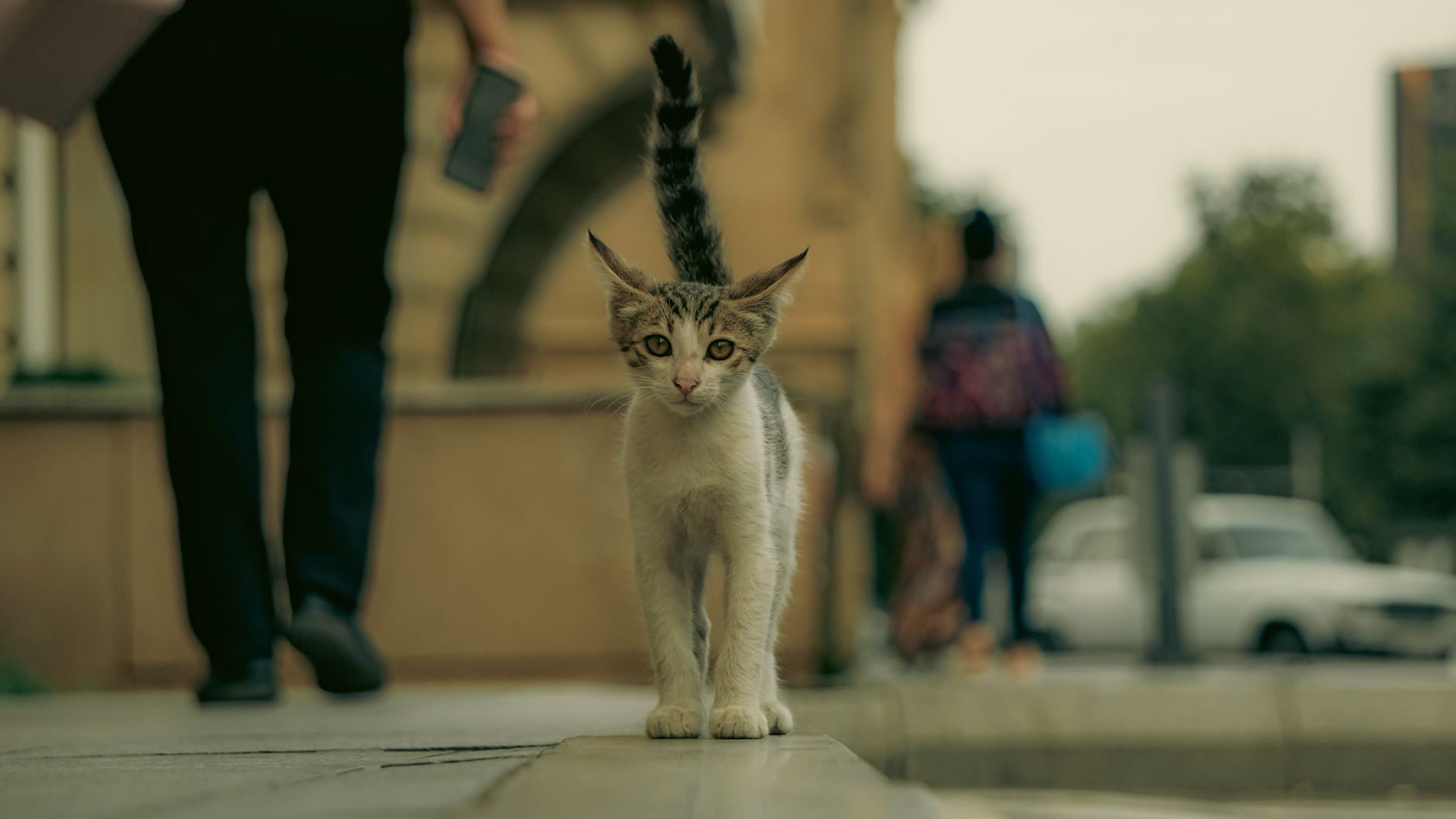
Hello, it’s Sachat. Let me tell you something: when I was tiny, a 600-gram ball of fluff, everything terrified me. The hoover? A roaring monster. The doorbell? The end of the world. And then my human did things properly, gently, patiently, and today I’m the most laid-back cat on the street (feline modesty, you know the score). Socialisation is exactly that: turning a little ball of stress into a balanced companion who’s afraid of nothing. And good news, it can be learned. Come on, let me hand over my secrets as a kitten turned wise.
The magic window: why timing changes everything
First thing to know, and it’s crucial: there’s a hugely sensitive period for socialising a kitten, between roughly 2 and 9 weeks, which can stretch to 12 or 14 weeks. During this window, my little kitten brain is a sponge: everything I discover becomes “normal” for the rest of my life. A human met at 6 weeks? A friend forever. A dog encountered kindly at 8 weeks? No bother.
The snag is that this window closes fast. Past 3 months, we can still learn, but it’s longer and harder. That’s why a kitten taken too early from its mother and littermates starts with a handicap: it misses cat school, the one where you learn to nibble without hurting and to read others.
The irreplaceable role of mum and the siblings
Before turning up at your place, ideally around 8 to 12 weeks, a kitten should stay with its mother and its litter. That’s where it learns bite inhibition (when my brother squealed, I stopped biting), feline codes, and social play. A kitten that’s orphaned or separated too quickly often becomes an adult who bites too hard or panics at the slightest change. If you’re adopting, check this age: it’s a genuine marker of quality.
Multiplying good experiences, gently
The heart of socialisation is positive exposure: introducing the kitten to as many things as possible, but always calmly and pleasantly, never under duress. Here’s what your little ball of fluff needs to meet:
- Varied humans: men, women, calm children, people with glasses, with hats, with deep voices. The more varied, the better.
- Gentle handling: touching the paws, the ears, looking in the mouth. It’ll make future care (claw clipping, vet visits) much simpler.
- Everyday noises: hoover, telly, doorbell, hairdryer. At a low volume to begin with, rewarding calm behaviour.
- Other animals: a sociable dog, another balanced cat, always supervised and gradually.
The golden rule: always let the kitten come of its own accord. We never force it. If it hides, we let it observe, and we reward every little step forward with a treat or a stroke. A healthy, tasty treat works wonders here. I love the soft Inaba Churu treats for cats – Amazon, for example, which my human uses to create ultra-positive associations with every new discovery.
Creating an environment that reassures
A well-socialised kitten is also a kitten that feels safe at home. Before you even start multiplying experiences, set up a reassuring territory. A safe corner where nobody bothers it, hiding spots up high, and above all soothing scent markers.
Pheromones, my secret anti-stress weapon
We cats communicate enormously through smells. A soothing pheromone diffuser recreates the “you’re safe here” signal that my mother left when she licked me. Plugged into the living area during the first few weeks, it helps a kitten explore calmly no end. My human swears by the Feliway pheromone diffuser – Amazon, really handy when moving in or when visitors arrive.
Think too about a good cat tree with high platforms – Amazon. Watching the world from a perch reassures us no end and gives the kitten the confidence to explore rather than hide under the sofa.
Play: the most underrated socialisation tool
Want my real secret? Play is socialisation in disguise. When you play with your kitten, you teach it to channel its hunting instincts, to interact with you without aggression, and you strengthen your bond. A kitten that plays a lot with its human becomes an attached, confident adult.
Play, yes, but not just any old way
Absolute rule: never with bare hands. If you let your kitten nibble your fingers when it’s cute at 8 weeks, you’ll have an adult shredding your wrist at 5 kilos. Use dedicated toys: feather wands, balls, mice. A natural-material cat ball – Amazon is perfect for solo sessions, and I can chase it for hours. And when you play with the wand, let me catch the prey from time to time: a frustrated hunter stays frustrated.
Aim for several short sessions a day rather than one long one. And always finish with a “catch” followed by a small meal: it’s the natural hunt, eat, sleep cycle, and it’s hugely calming.
The mistakes that sabotage everything
Even with the best intentions, you can ruin it all. Here are the traps I beg you to avoid:
- Forcing contact: grabbing a hiding kitten to “force it to get used to things” creates the opposite effect. We respect its pace.
- Punishing fear: shouting at or scolding a frightened kitten only makes its stress worse. Punishment has no place in socialisation.
- Going too fast: lining up ten new people on day one is guaranteed burnout. We go in small doses.
- Stopping everything too soon: socialisation continues after 3 months. We don’t give up at the first victory.
Remember: a stressed kitten doesn’t learn. Your job is to keep every experience below the fear threshold. Calm, treats, patience, repeat.
FAQ
At what age should you start socialising a kitten?
As early as possible, from 2 to 3 weeks at the breeder’s or the foster family’s, and ideally up to 9 to 14 weeks. This sensitive period is the most effective. If your kitten is older, it isn’t a lost cause: it simply takes more patience and gentleness.
Can you socialise an adult cat?
Yes, but it’s slower and more delicate. The magic window has passed, so we work in micro-steps, with lots of positive reinforcement and a reassuring environment (pheromones, refuges). The results are real, they just take weeks rather than days.
My kitten hides all the time, is that serious?
At first, hiding is normal: it’s its way of adjusting to a new environment. Leave it a safe refuge, never force it out, and gently draw it out with play and treats. If it stays holed up and doesn’t eat after several days, talk to your vet.
How do I get my kitten used to other animals?
Always gradually and under supervision. Start with swapping scents (a cloth rubbed on the other animal), then visual meetings at a distance, and finally short, supervised contact. Reward calm on both sides and never impose a forced meeting.
Purrs, Sachat 🐾