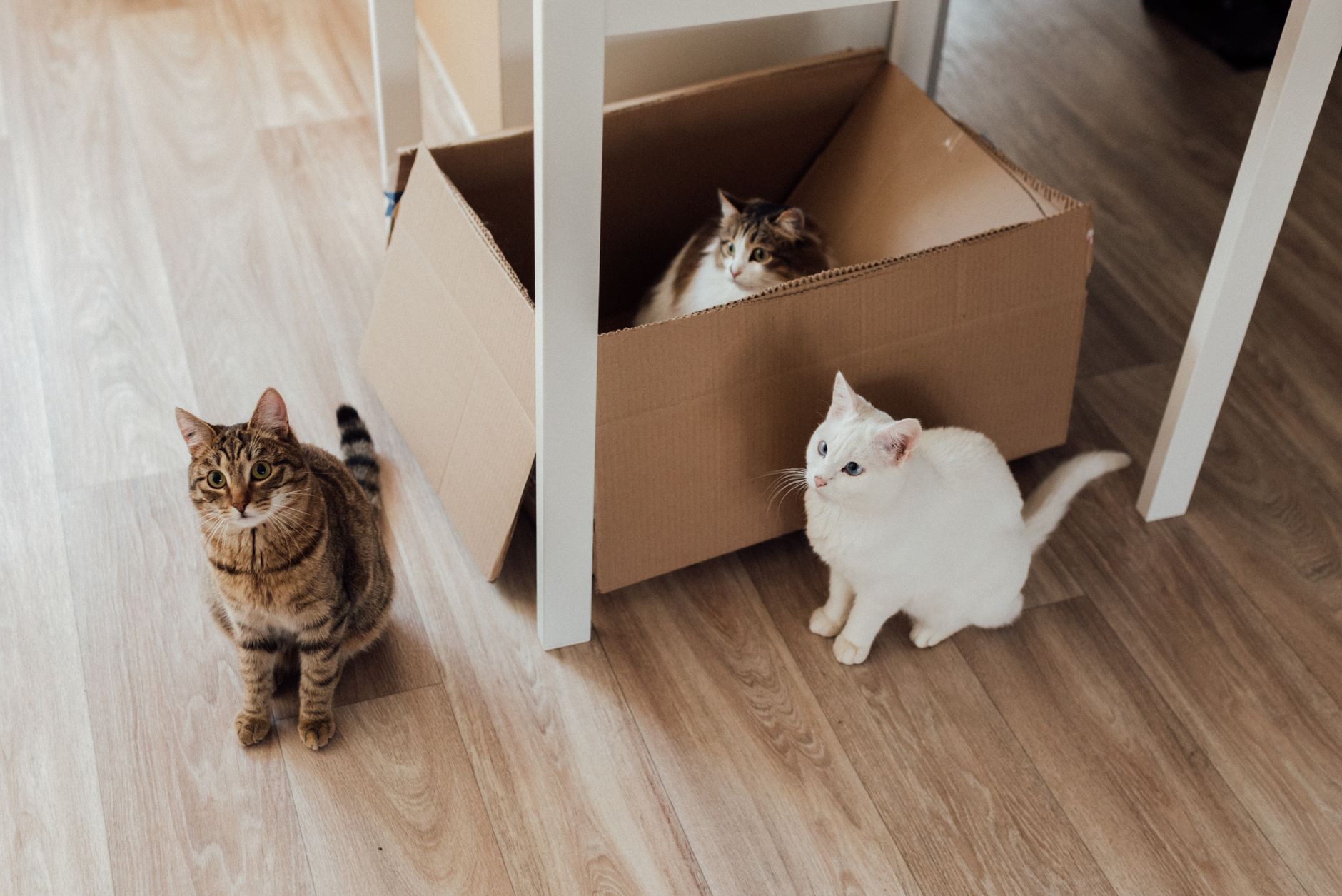
Homemade cat food: spoil your feline without breaking the bank
Hey, it’s Sachat! 🐾 Let me tell you something: the other day, my human opened the fridge, pulled out some chicken, and I genuinely thought I was witnessing a personal culinary miracle. Spoiler: it was for me. Ever since she started cooking my homemade cat food, my life has completely changed. No more sad, dusty kibble sitting at the bottom of the bowl, just proper little dishes simmered with love (and a bit of pressure from my pleading eyes).
If you also want to learn how to make homemade cat food that’s actually worthy of the name, get comfy. I’m about to share my secrets as a gourmet (and very demanding) cat.
Why bother with homemade cat food?
You might be wondering why you’d go to all that trouble when the shelves are overflowing with ready-made tins. Good question, attentive human. Here’s what homemade food really changes:
- You know exactly what’s in it. No mysterious by-products, no never-ending ingredient names you can’t even pronounce.
- More moisture in our meals. We cats don’t drink much. Food with plenty of water in it is a real win for our kidneys and bladder.
- Fresh flavours. Trust me, the difference between fresh chicken and an industrial pellet, we can smell it from ten metres away.
⚠️ Warning: before you turn your kitchen into a feline restaurant, have a chat with your vet. A homemade portion needs to be balanced. A cat isn’t a mini human: we need taurine, calcium and very specific nutrients, otherwise it can lead to serious health trouble.
The golden rules before you start cooking
You don’t become a Michelin-starred chef for cats overnight. Here are the basics my human learned (sometimes at my expense, like the day of the over-salted sauce, yuck).
The must-have ingredients
A good homemade cat food recipe relies on:
- Animal protein (70 to 80%): chicken, turkey, rabbit, lean beef, fish now and then.
- Organ meats: liver, heart, packed with essential nutrients. Yes, it looks gross, but it’s delicious.
- A little veg (10% max): cooked courgette, carrot, pumpkin.
- Supplements: taurine, salmon oil, calcium. Absolutely essential!
The forbidden foods (seriously)
Now I’m getting serious, because this stuff can kill us. Banned completely: onion, garlic, chives, chocolate, grapes, avocado, alcohol and anything too salty or sugary. For the full list, go and read my dedicated guide.
💡 Sachat’s tip: you’ll find all the details on what we can nibble and what’s dangerous in my article on toxic foods for cats. Read it before you start cooking, it saves a lot of drama.
My 5 favourite recipes (tested and approved by my whiskers)
1. The Sunday chicken and courgette pate
My favourite, by a long way. Simple, melt-in-the-mouth, perfect.
Ingredients: 150g chicken breast, 30g chicken liver, 1 small courgette, 1 tsp salmon oil, a taurine/calcium supplement.
Method: cook the chicken and liver in water (no salt!). Steam the courgette. Blend everything with a little of the cooking broth to get a nice creamy texture. Add the oil and supplements once it’s lukewarm. And there you go.
2. The turkey and pumpkin terrine
Ideal in autumn, when the human is already cooking pumpkin for herself.
Ingredients: 150g turkey, 40g chicken heart, 2 tbsp cooked pumpkin, 1 tsp rapeseed oil, supplements.
Method: cook the meats in water, blend with the pumpkin and a splash of broth. The texture should be as smooth as a cuddle. Supplements last.
3. The rabbit feast for delicate palates
Rabbit is noble, lean and easy to digest. Perfect for sensitive tummies like my friend Choupette’s.
Ingredients: 150g boned rabbit, 30g liver, 20g cooked carrot, salmon oil, supplements.
Method: same principle. Gentle cooking, generous blending, add the extras while lukewarm. Keep in the fridge for 2 to 3 days max.
4. The salmon bite (for special occasions)
Fish is exceptional, not an everyday thing. Once or twice a week, no more.
Ingredients: 120g cooked boneless salmon, 30g chicken breast, 1 tbsp pumpkin, supplements.
Method: check really, really, REALLY carefully that there are no bones at all. Blend everything. A mousse-like texture guaranteed.
5. The express beef and carrot bowl
For those rushed days when the human gets home late and feels guilty.
Ingredients: 150g lean minced beef, 30g beef liver, 20g carrot, oil, supplements.
Method: cook the beef in water, blend with the rest. Five minutes flat, and the cat is in heaven.
🐱 Pro tip: make big batches and freeze them in individual portions using ice cube trays. You defrost just what you need. Your cat thinks it’s getting a fresh meal every day, and you only cook once a week. Everybody purrs.
The gear that changes your life
My human struggled for ages with an old, wheezy blender that left lumps (and therefore left me sulking). Ever since she got properly equipped, it’s been like night and day.
For really smooth food, a good powerful hand blender works wonders. And for storage, I highly recommend portion freezer trays with a lid: handy, hygienic and easy to stack.
Finally, to balance your recipes without overthinking it, a taurine and calcium supplement for cats – Amazon is pretty much essential. That’s what turns plain blended meat into a proper complete meal.
👉 Ready to give it a go? Kit yourself out smartly right now and treat your cat to little dishes worthy of a fine restaurant. Your favourite whiskers will thank you!
How long does it keep?
An essential question, because homemade food contains no preservatives at all (and thank goodness for that).
- In the fridge: 2 to 3 days absolute maximum, in an airtight container.
- In the freezer: up to 2 months in individual portions.
- When serving: take the food out ahead of time, we hate eating it ice-cold. Lukewarm is perfect.
⚠️ Warning: never reheat our food piping hot in the microwave. Hot spots can burn our tongues. Lukewarm is the magic word.
A gentle transition: don’t rush your cat
One last piece of advice, and not the least important: we’re creatures of habit. If you suddenly switch from kibble to homemade food, my stomach might protest (and your carpet might suffer for it).
Mix it in gradually, over 7 to 10 days: a bit of homemade, lots of the old stuff, then slowly flip the ratio. To go further, take a look at my guide on a gentle food transition.
There you have it, you now have everything you need to become your cat’s personal chef. Trust me, there’s no finer reward than a thunderous purr after a good home-cooked meal. Right, off to the stove, devoted human! 🍲
Purrs, Sachat 🐾
Frequently Asked Questions
How do I make home-made cat food?
The basics: lean meat (chicken, turkey), a little offal, a source of taurine and suitable supplements. Avoid salt, onion and garlic.
Is home-made food better than shop-bought?
Well balanced, it offers excellent quality with no additives. Poorly measured out, it causes deficiencies: the balance of taurine and calcium is key.
Which foods should I avoid in home-made cat food?
Onion, garlic, chives, chocolate, grapes, too much salt and cooked bones are toxic or dangerous for cats.