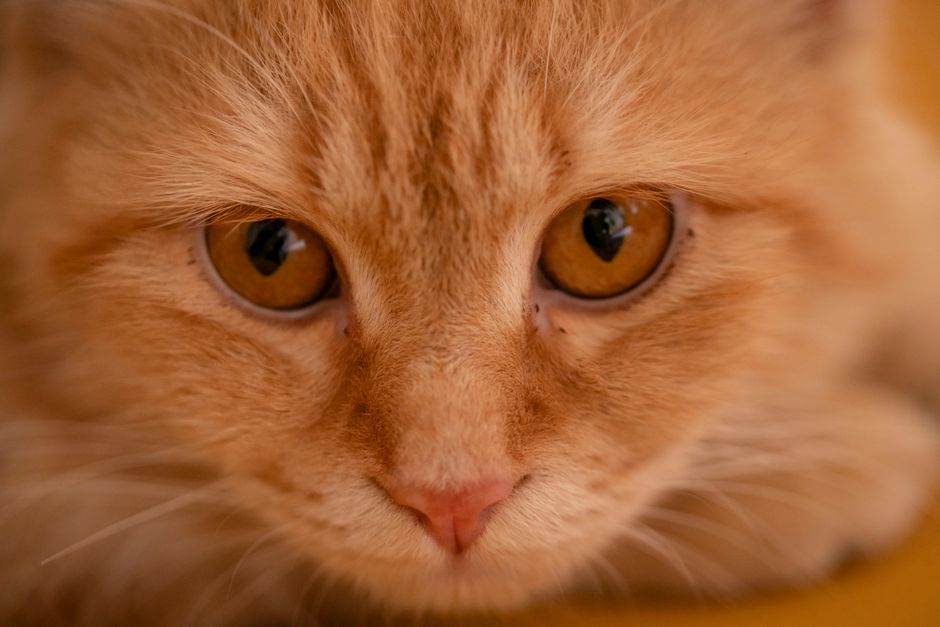
My ears are little marvels of engineering: 32 muscles each, and hearing sharp enough to catch a kibble dropping three rooms away. But they’re also cosy little homes for wax, mites and trouble if you go about things the wrong way. Good news: a healthy cat rarely needs anyone fussing over its ears. Bad news: when it is needed, one clumsy move can really hurt. So here’s the careful way to do it.
First things first: do you actually need to clean them?
My ears mostly clean themselves. A cleaning session is only worth it if you spot:
- Brown wax that’s visible at the opening of the ear canal
- A bit of dust or debris after I’ve been outside
- A maintenance routine your vet has recommended (cats with floppy ears, or a history of ear infections)
The signs that say “stop, go see the vet”
NEVER clean over a problem. Book a vet visit if you notice:
- 🚨 Black, gritty wax that looks like coffee grounds → often ear mites
- 🚨 A bad smell, pus, redness or swelling → infection
- 🚨 I keep shaking my head non-stop, scratch until I bleed, or tilt my head to one side
- 🚨 I cry out when you touch the base of my ear
The gentle method, step by step
- Pick the right moment: when I’m relaxed, ideally half-asleep. Never in the middle of a play session.
- Use a suitable product: a cat ear cleaner – Amazon or saline solution. NEVER alcohol, neat vinegar or hydrogen peroxide.
- Bring the product to room temperature: cold liquid in my ear, and I’m gone.
- Pour in a few drops into the canal, then gently massage the base of the ear for 5 to 10 seconds (that squelchy “squish” sound is completely normal).
- Let me shake my head: that’s how the gunk works its way back up.
- Only wipe the visible part with a gauze pad or some cotton wool, around the outer ear.
To make it go smoothly
- One ear at a time, short sessions
- A treat – Amazon at the end, every single time
- If I really struggle: stop, try again another day, don’t force it
- Wrap me in a towel (the “burrito technique”) if I’m a bit of a Houdini
In a nutshell
A healthy ear cleans itself: only step in if it’s dirty, using a suitable product warmed to room temperature, a gentle massage, and NEVER a cotton bud in the canal. At the first hint of black wax, a bad smell or pain: vet, not DIY. My 32 muscles per ear thank you.
Purrs, Sachat 🐾
Frequently Asked Questions
Do I need to clean my cat's ears?
Only if they are dirty: a healthy ear cleans itself. Cleaning too often irritates it.
How do I clean a cat's ears?
With a cat ear cleaner or lukewarm saline solution: a few drops, massage the base, let the cat shake, wipe the outer ear. Never a cotton bud inside the canal.
Which signs mean a trip to the vet?
Black coffee-ground wax, a bad smell, redness, pain or a head tilt: see a vet promptly.