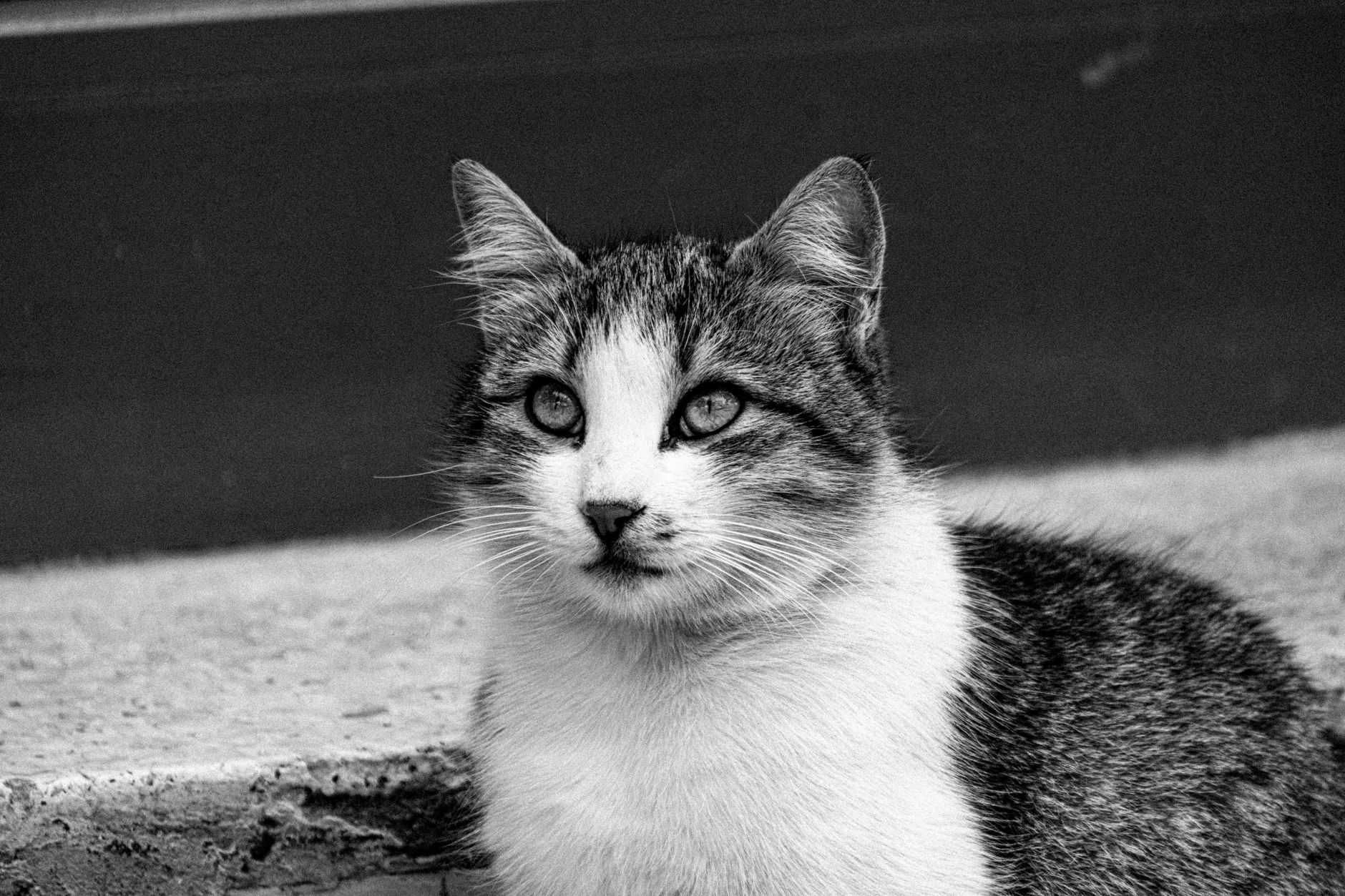
Essential Oils and Cats: The Danger Nobody Tells You About
Hey there, it’s Sachat! Today I’m going to talk to you about something that makes the fur on my back stand up: essential oils. You know, those little bottles that smell lovely and are supposed to help you unwind after a rough day at work? Well, here’s the thing: for us cats, they can be a real ticking time bomb.
I can already hear you: “But Sachat, it’s natural, so it’s totally safe!” Alright, my human, hold on tight to your cat tree, because I’m about to bust that myth in just a few paragraphs. Follow me, I’ll explain everything.
Why Are Essential Oils Dangerous for Cats?
Here’s the thing we often forget: my liver doesn’t work like yours. We felines are genetically unable to produce an essential enzyme called glucuronyl transferase. A scary-sounding name, I know, but just remember one thing: it’s what breaks down and eliminates certain toxic substances.
Without this enzyme, the compounds in essential oils (especially phenols and terpenes) build up in my body like dirty socks under your bed. And after a while, they poison my liver, my nervous system, and my kidneys.
Even worse: we absorb these substances in three ways. Through the skin (when you apply something to me or I walk through a puddle of it), through ingestion (when I lick my paws or fur), and through the airways (your beloved diffuser running all day long).
⚠️ Absolutely essential to remember: “natural” does NOT mean “harmless”. An essential oil is an ultra-potent concentrate of a plant. Just a few drops can be enough to cause severe poisoning in a cat.
The Most Dangerous Essential Oils for Your Cat
Okay, let’s get down to business. Here’s the list of essential oils I file under the “maximum danger” category. If you have any of these at home, tuck them away in a closed cupboard, far from my curious little paws.
Oils Rich in Phenols
These are the worst for us. Phenol is my sworn enemy when it comes to the liver. You’ll find it in:
- Oregano, super concentrated in carvacrol and thymol
- Thyme, same story
- Cinnamon, smells like Christmas, but it’s pure hell for my body
- Clove, rich in eugenol, highly toxic
- Exotic basil
Oils Rich in Ketones
These ones attack my nervous system. On the danger menu:
- Peppermint, you love it in tea, I risk my life over it
- Eucalyptus, very common in “respiratory” products
- Rosemary
- Sage
- Camphor
Citrus and Tea Tree
And then there are the classics that everyone underestimates:
- Tea tree, THE all-time classic of feline poisoning, super dangerous even in small doses
- Lemon, orange, grapefruit, citrus oils contain limonene, which I simply can’t tolerate
- Pine and fir, rich in irritating terpenes
⚠️ The case of tea tree: It’s probably the oil that causes the most poisonings among us. You’ll find it in tons of “natural anti-parasite” products. If you see “melaleuca” on a label, it’s the same thing. Run away!
How to Recognise Poisoning in Your Cat
Picture the scene: you switch on your favourite essential oil diffuser, you head off to work, and I’m left shut inside the room. After a few hours, the symptoms can start to appear. Here’s what should set off alarm bells:
- Excessive drooling and vomiting
- A wobbly, unsteady walk, as if I’d been out partying
- Tremors or seizures
- Difficulty breathing, rapid breathing
- An unusual lethargy, me, who’s normally so full of energy
- A total loss of appetite
- Skin irritation or redness if there’s contact with the skin
If you spot one or more of these signs, don’t play amateur vet. Get me to a real vet IMMEDIATELY. Time is crucial in cases like this.
🩺 First steps in case of poisoning:
- Air out the room straight away and get me out of the contaminated area
- NEVER force me to vomit without veterinary advice
- If I have oil on my coat, wash it off with mild dish soap and lukewarm water
- Call the vet or an animal poison control centre and give them the exact name of the oil
Diffusers: False Friend or Real Danger?
Ah, the diffuser! That little machine that turns your living room into a spa. Except for me, it’s more complicated. It all depends on the type of diffusion.
Ultrasonic diffusers and nebulisers spray fine oil particles into the air. Those droplets can settle on my coat. And when I groom myself (about 30% of my day, just so you know), I swallow all of it. Bingo, poisoning by ingestion.
Heat diffusers are a little less risky in terms of settling, but they still saturate the air with compounds that my little respiratory system doesn’t tolerate well.
My wise cat advice: if you absolutely must diffuse, do it in a room I do NOT have access to, for a short period, and air it out well afterwards. And above all, never continuously. To dig deeper into this topic, go check out my article on diffusers and feline safety.
Are There Safe Alternatives to Scent Your Home?
I know, you like your home to smell nice. And the good news is that we can find common ground without me ending up at the emergency vet. Here are my recommendations.
Go for Solutions Without Essential Oils
You can opt for non-toxic fresh flowers, natural potpourri without citrus, or simply good daily airing. Fresh air is free and 100% safe.
To purify the air safely, an air purifier remains my best ally. It cleans the air without diffusing any toxic substances. I quite like a quiet home air purifier that runs without disturbing my 16 hours of daily napping.
For Care, Choose Cat-Friendly Products
If you’re trying to relax or soothe me, forget the essential oils. Go for feline pheromone diffusers, specially designed for us and completely risk-free. This calming pheromone diffuser for cats – Amazon, or Feliway Classic diffuser on Zooplus works wonders when I’m stressed after a move or the arrival of a new furry roommate.
💡 Sachat’s tip: Before buying any “natural” or “wellness” product that involves me, always read the ingredients. If you see “essential oil”, “tea tree extract” or “melaleuca”, put the product back. Your wallet and my health will thank you for it.
Want to explore other natural ways to soothe me safely? Take a look at my guide on natural anti-stress solutions for cats.
But What If I Still Want to Use Essential Oils at Home?
Alright, I get it, aromatherapy is your passion. I’m not going to ask you to throw everything in the bin. But here are my golden rules for living together without drama:
- Store your bottles in an airtight cupboard, out of my reach. I’m curious and playful, and a bottle rolling on the floor is far too tempting.
- NEVER apply essential oil directly to my body, even diluted. Not for fleas, not for wounds, never.
- Don’t put any in my bowl or in my water. It seems obvious, but some “home remedies” go around online. Be wary.
- Limit diffusion to closed rooms with no access for me, and always air them out.
- Clean your surfaces if you’ve spilled oil on them, because I could walk on it and then lick myself.
Basically, if you want to use essential oils, do it in your corner, not in mine. It’s a matter of mutual respect between roommates, isn’t it?
⚠️ Special cases to watch out for: Kittens, senior cats, pregnant females and felines with liver or respiratory problems (like asthma) are even more vulnerable. For them, zero risk is the only valid option.
In Short: My Health Is Worth a Few Precautions
There you go, now you know everything about the danger essential oils pose to us cats. Let’s recap quickly: my liver can’t eliminate certain compounds, which makes even small doses potentially deadly. Tea tree, citrus, mint, cinnamon and eucalyptus are among the most dangerous.
The symptoms of poisoning (drooling, tremors, lethargy, breathing difficulties) should push you to see a vet urgently. And to scent your home or soothe me, there are plenty of safe alternatives like air purifiers and feline pheromone diffusers.
In the end, it’s simple: a little vigilance on your part guarantees me a long and happy life by your side. And trust me, a healthy cat purring on your lap is worth all the scented diffusers in the world.
Take care of yourself, take care of me, and tuck those little bottles away nicely, alright?
Purrs, Sachat 🐾
Frequently Asked Questions
Are essential oils dangerous for cats?
Yes. A cat's liver cannot break down certain compounds such as phenols. Tea tree, eucalyptus, mint, citrus, cinnamon and pine are particularly toxic, even when diffused.
Can I diffuse essential oils with a cat around?
It is strongly advised against. If you really want to, never in a room where the cat lives, with a window open, for a very short time and never continuously. A pheromone diffuser, on the other hand, is safe.
What are the signs of essential oil poisoning in a cat?
Excessive drooling, difficulty breathing, tremors, an unsteady gait, vomiting or lethargy. If in doubt, air the room, take the cat out of it and call a vet.