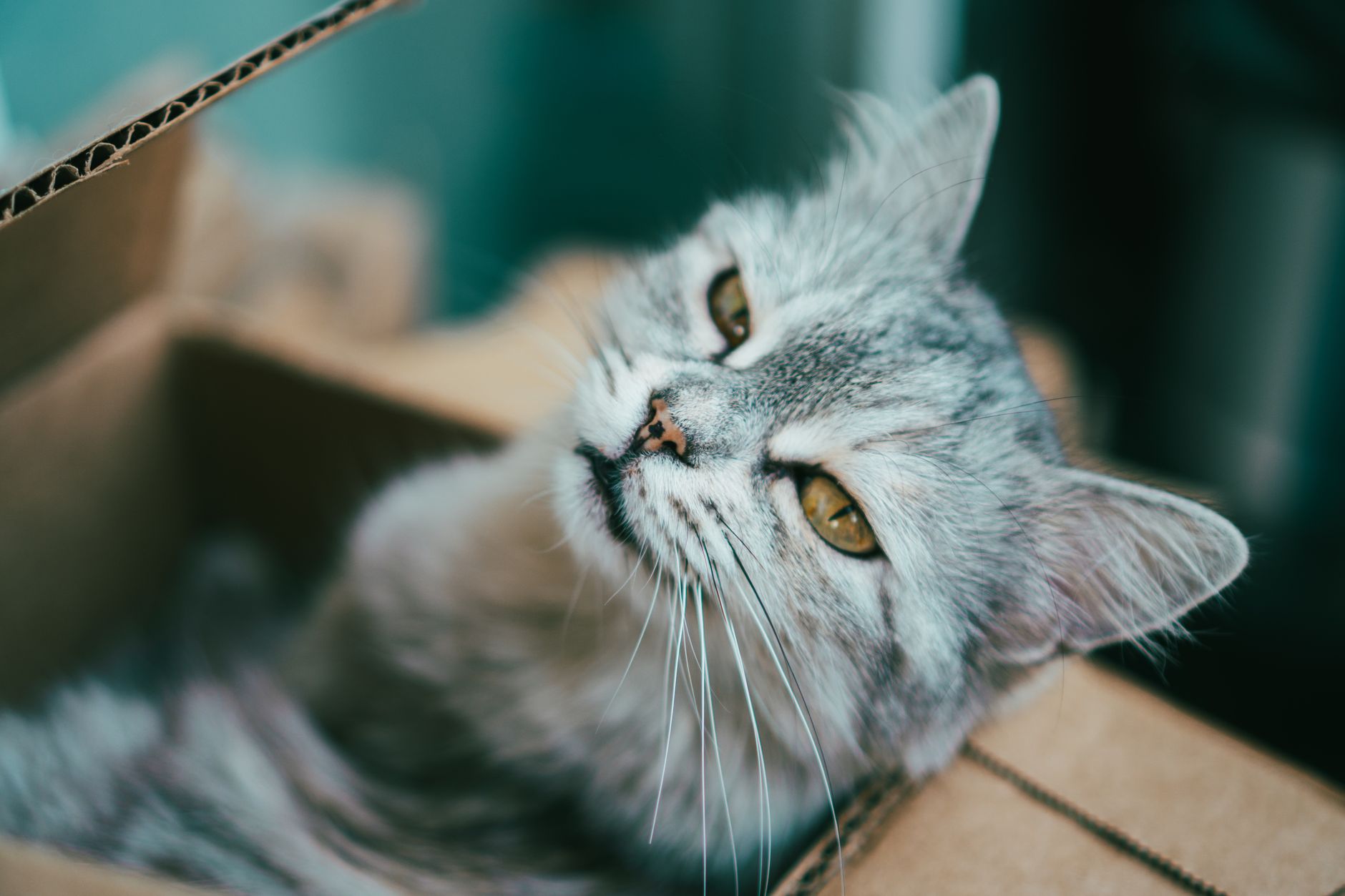
Hello, it’s Sachat. Today I want to talk about a subject that isn’t very glamorous but is oh so important: constipation. Yes, we cats spend an awful lot of time in the litter tray, and sometimes things get stuck. Literally. If you’ve noticed that your companion scratches about, strains, miaows in a crouched position and comes back having left nothing behind, or that they leave you tiny droppings as hard as little pebbles, then you’re in the right place. I’m going to show you how to ease all of this gently, naturally, without turning your home into an infirmary.
How to know if my cat is really constipated
A cat in fine fettle does their business about once a day, sometimes a little less. Constipation isn’t just a single day’s delay, it’s a pattern that sets in. Here are the signals that should alert you.
- Infrequent stools: less than once every two days is suspicious.
- Hard, dry and small droppings, sometimes coated in mucus.
- Repeated trips back and forth to the litter tray with no result, with visible straining.
- A cat who miaows or complains during the effort, a sign of discomfort.
- Loss of appetite, a tense tummy, apathy in cases that drag on.
Be careful not to confuse constipation with urinary obstruction: a male who strains without urinating is a life-threatening emergency, head to the vet immediately. When in doubt, watch closely whether it’s the wee or the poo that’s the problem.
Hydration, my number one weapon
Let’s be honest: we cats drink like misers. Our ancestors got all their water from their prey, and our thirst instinct has stayed feeble. Now, hard stools are very often a water problem. The longer the colon holds onto the droppings, the more moisture it draws out of them, and the harder they get. The classic vicious circle.
Put me on wet food
The most powerful lever is wet food. A kibble contains around 8 percent water, a good wet food sits around 75 to 80 percent. By switching your cat to wet food, you multiply their water intake without them having to drink a single extra drop. I personally adore recipes that are rich in meat and free of rubbish like the Almo Nature kibble – Amazon, and to mix things up and tempt the fussy ones, the gourmet textures of the Inaba Churu treats – Amazon are often a huge hit. A cat who eats wet is a cat whose transit keeps rolling along.
Multiply the water points
Place several bowls away from the litter tray and the food (we hate drinking next to our toilet, it’s stronger than us). Many of us prefer running water: a fountain can work wonders. And if you really want to please me, add a little warm water to my wet food to make a little soup. Delicious and hydrating.
The good fats that help things glide
A sluggish transit appreciates a lubricating helping hand. Certain oils help stools move along better while providing good fatty acids for the coat and skin.
- Salmon oil: rich in omega-3, it supports digestive comfort and gives the coat a shine. A touch added to the bowl, and the job’s done. I give a 100 percent thumbs up to salmon oil for cats – Amazon, I lick my whiskers over it.
- Coconut oil: in a very small amount (the equivalent of a quarter teaspoon to start with), it can soften the passage. Introduce it gradually so as not to upset the tummy. Coconut oil for cats – Amazon is easy to dose.
Important: forget paraffin or liquid petrolatum oil as self-medication. It’s a classic granny remedy, but used badly it can get into the lungs and cause serious damage. That sort of product is for vet advice only.
Fibre and gut flora
Once the hydration is sorted, we can play with what’s inside the intestine. Fibre gives bulk and suppleness to the stools, provided the cat drinks enough (otherwise it makes everything worse, so beware).
A little gentle fibre
The great classic is plain pumpkin purée (no sugar, no spices): one to two teaspoons mixed into the wet food provide well-tolerated soluble fibre. Psyllium husk is another option, always with plenty of water around it. Take it easy and observe: every cat’s tummy reacts in its own way.
Support my flora
A balanced microbiome means a regular transit. After a course of antibiotics, stress or a change of diet, a probiotic boost can really kick-start the machine. I’m rather fond of probiotics for cats – Amazon as a course: they feed the good bacteria and stabilise the digestive tract over the long term.
Move, brush, manage stress
Constipation isn’t just about what’s on the plate. Several everyday factors play a part, and the good news is they’re within your reach.
- Physical activity stimulates the transit. A sedentary, overweight cat gets constipated more easily. Get the toys out, make me run, climb, hunt. My tummy will thank you.
- Hairballs are a sneaky cause: swallowed during grooming, they slow the transit down. Regular brushing drastically reduces what we swallow. For long-haired cats like me, it’s non-negotiable.
- Stress jams the digestive machine. Moving house, a new animal, a dirty or badly placed litter tray: all of this can put me off going. A clean, calm, accessible litter tray, and a serene home, count for an enormous amount.
When nature is no longer enough: the vet reflex
I want to be very clear with you, because this can be serious. Natural solutions are perfect for prevention and for passing rough patches. But constipation that drags on must never be taken lightly.
Head to the vet without delay if: your cat hasn’t done their business for more than 48 to 72 hours, if they strain without producing anything, if they vomit, refuse to eat, seem downcast or in pain in the tummy. Chronic constipation can develop into megacolon, an irreversible dilation of the intestine, and at that point we’re no longer in pumpkin purée territory at all. Behind constipation there can also lurk dehydration, kidney disease, a thyroid problem or an obstruction. Only a vet can make the right diagnosis and, if needed, perform an enema or prescribe a suitable treatment. Never attempt a home enema, it’s dangerous. Nature supports, the vet treats.
FAQ
My cat hasn’t done their business for 2 days, should I worry?
A day’s delay happens and isn’t alarming if your cat is eating, drinking and behaving normally. Beyond 48 to 72 hours with no stools, especially if they’re straining or seem uncomfortable, book an appointment with the vet. Better an unnecessary check-up than an established megacolon.
Can milk relieve my cat’s constipation?
It’s a false good idea. Most of us are lactose intolerant once we’re adults, so milk mainly risks causing diarrhoea and dehydration that makes the problem worse. Bank instead on water, wet food and good fats.
Are oils really effective against constipation?
Salmon oil and a touch of coconut oil can help lubricate the transit and support digestive comfort, alongside good hydration. Paraffin oil, on the other hand, forget it as self-medication: risk of inhalation, reserve it for a vet’s prescription.
Is wet food enough to sort the issue out?
For many cats, the switch to wet food sorts out the mild episodes on its own, because it massively boosts hydration. But if the constipation persists despite that, combine it with fibre, probiotics and activity, and consult the vet if nothing moves within a few days.
Purrs, Sachat 🐾