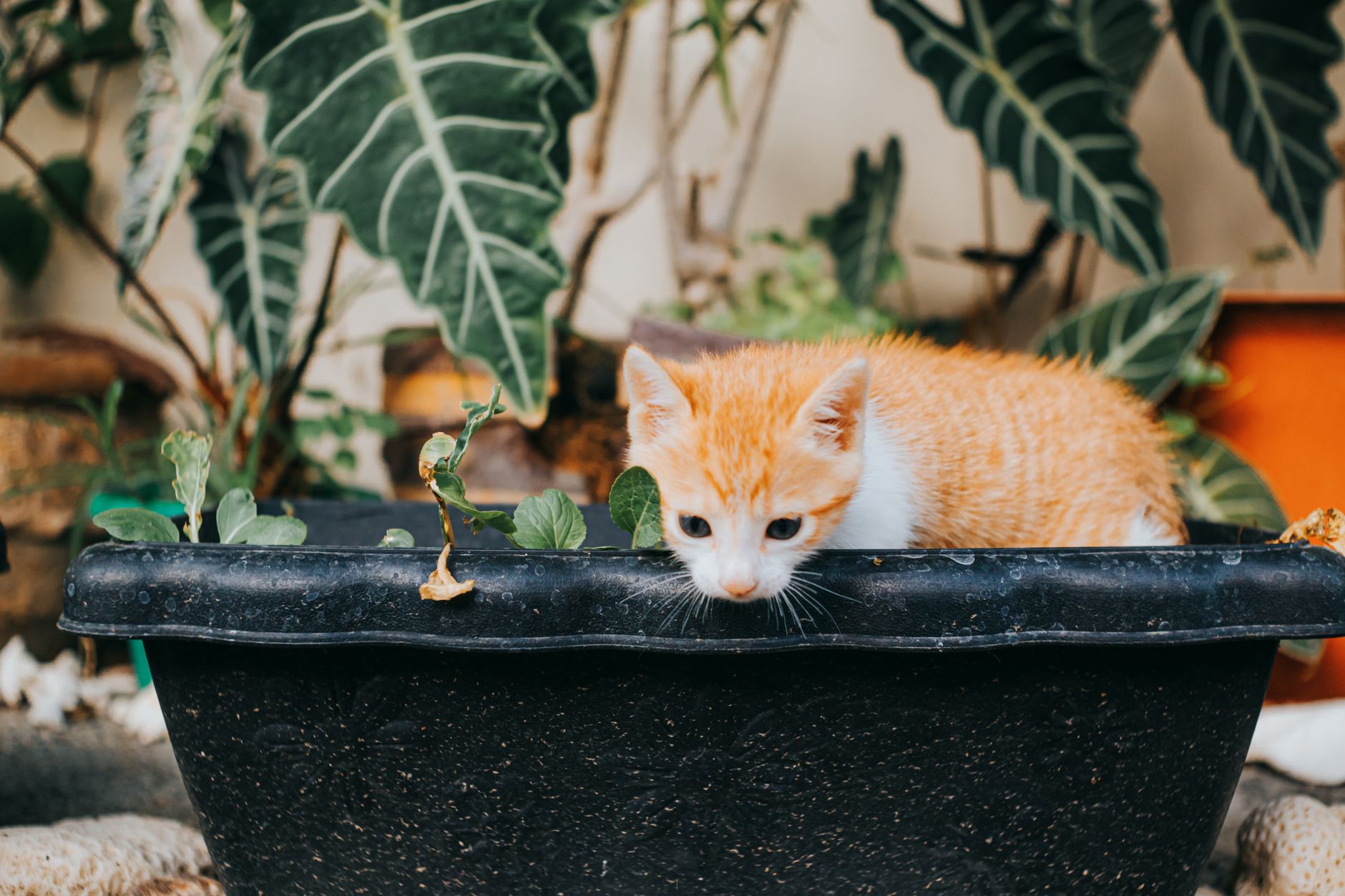
Best natural cat litter: my 2026 comparison (tested paw on heart)
Hey, it’s Sachat! Today we’re talking about a topic that’s especially close to my… well, to my paws: cat litter. Yes, I know, it’s not exactly glamorous. But trust me, when you spend a good chunk of your life scratching around in it like I do, you become an expert on the subject pretty fast.
Fed up with litters full of chemicals that reek of “artificial freshness” (and my nose is 14 times more powerful than yours, just so you know)? Looking for something more eco-friendly, healthier and kinder to my delicate little paw pads? You’re in the right place. I’ve tested, sniffed, scratched and… well, you get the picture, all to track down the best natural cat litter in 2026.
Grab hold of your litter box, we’re diving into the comparison.
Why switch to natural litter? (spoiler: it’s better for both of us)
Before I drop my top picks on you, let me explain why it’s worth making the switch. Because honestly, once you understand it, you won’t go back.
Classic bentonite clay litters (the famous clumping mineral litters) are convenient, I’ll give you that. But they have a few flaws that make my fur stand on end:
- The dust: it settles into my lungs (and yours) every single time I dig my little hole.
- The mining: bentonite is dug out by tearing open quarries. Not very pretty for the planet.
- Zero biodegradability: it ends up in the bin and stays there for centuries.
- Chemical fragrances: they mask the smells but irritate my airways.
Natural litter, on the other hand, is made from plant-based materials: wood, corn, tofu, recycled paper, grass and so on. It’s often biodegradable, less dusty, and sometimes even compostable. In short, bliss for my paw pads and your eco-conscience.
⚠️ Heads up: switching litter overnight is the surest way to make me boycott my box (and leave you a surprise on your rug). Always go through a transition: mix 25% new litter with the old one, then increase gradually over 1 to 2 weeks. We cats really don’t like sudden change.
How I scored these natural litters
To keep my comparison honest (because I’m a cat of integrity, contrary to the rumour), I rated each litter on 5 essential criteria:
- Absorbency: does it handle the pee well?
- Odour control: does your place smell like a rose garden or… something else?
- Paw comfort: is it pleasant to scratch in?
- Eco-friendliness: biodegradable, compostable, flushable?
- Value for money: can your wallet take it?
And now, on to the ranking!
1. Tofu litter: my 2026 favourite ⭐ Rating: 4.8/5
Now this one is my big crush of the year. Tofu litter (yes, like the stuff you eat in your healthy bowl) is made from soybean residue. It comes as little soft cylindrical granules.
Why I love it
First off, it clumps brilliantly. When I pee, it forms a compact little block that’s super easy to scoop out. And the cherry on top: it’s flushable (in small amounts, mind you, don’t dump the whole box at once, your plumber would hate you). Dust-wise, it’s basically nothing. My lungs say thank you.
On the odour front, it’s fearsomely effective. And my paw pads love the texture, neither too hard nor too fine.
💡 Sachat’s tip: tofu litter often comes in scented versions (green tea, lavender, activated charcoal). If you have a sensitive cat like me, go for the unscented or activated charcoal version. Charcoal neutralises odours naturally, without irritating my little muzzle.
The small downsides
- The price is a touch higher than average.
- It can get a bit sticky if the humidity in your home is high.
Who’s it for? Sensitive cats, urban households, eco-conscious humans who want the best compromise.
👉 You can find an excellent clumping tofu litter with activated charcoal – Amazon, or Tigerino Plant-Based Tofu on Zooplus, which won over my paw pads in just a few days.
Want to give it a go? Treat your cat to the comfort they deserve and stock up on good eco vibes, click the link and switch your litter starting today!
2. Wood litter (pellets): the safe bet. Rating: 4.5/5
Ah, wood litter! It’s the respectable grandmother of the natural litter world. Made from compressed pine or softwood shavings, it comes as pellets that break down into sawdust when they meet moisture.
What I like
The natural pine scent is divine and masks odours really well without a single chemical additive. It’s an affordable litter, often sold in big bags, ideal if you have several cats at home (lucky you!). It’s also 100% biodegradable and compostable.
On absorption, it means business: the wood soaks up moisture like a sponge.
🐾 Sachat’s advice: wood litter doesn’t really clump (apart from certain special versions). The pee turns the pellets into sawdust at the bottom of the box. Use a sifting litter tray to easily separate the used sawdust from the still-clean pellets. You’ll save quite a bit of product!
The drawbacks
- The pellets can be a bit hard underfoot for kittens or cats with sensitive paw pads.
- Sorting sawdust from pellets takes a little organisation.
- Some cats don’t like the strong pine smell.
Who’s it for? Multi-cat households, tight budgets, composting enthusiasts.
👉 Natural pine wood pellet litter on Amazon, or Nullodor on Amazon (great range of sizes, often cheaper per kilo).
To pick the right container to go with it, take a look at my guide on how to choose the ideal litter box.
3. Corn litter: soft and clumping. Rating: 4.3/5
Corn litter is a bit of the likeable underdog of the comparison. Made from ground corn cobs, it offers a fine, light texture that pleasantly reminds me of natural earth.
Its strengths
It clumps pretty well, which makes daily cleaning easier. It’s lightweight (your back will thank you when you carry the bag), biodegradable, and most brands make it flushable in small amounts.
The texture is super soft, perfect for kittens and older cats with fragile paws.
The weak points
- Odour control is decent but not as good as tofu.
- It sometimes attracts little insects if you store it badly (keep it in an airtight container!).
- Some greedy cats (looking at me) tend to want a taste… keep an eye on that.
⚠️ Heads up: if your cat tends to nibble on their litter (it happens with corn and tofu, which look like food), keep an eye on them and consult your vet. It can hide a nutritional deficiency. By the way, I cover all of this in my article on natural cat nutrition.
Who’s it for? Kittens, senior cats, fans of a soft texture.
👉 Natural clumping corn litter on Amazon, or Benek Corn Cat on Zooplus (100% corn, great value, big sizes available).
4. Recycled paper litter: the anti-dust champion. Rating: 4.1/5
Do you have an asthmatic cat, an allergic one, or one recovering from an operation? Then recycled paper litter is made for the two of you. Made from recycled newspaper compressed into pellets, it’s ultra-lightweight and virtually dust-free.
What makes it great
Zero dust is its big selling point. After a spaying or surgery, vets often recommend it because it doesn’t irritate wounds and doesn’t stick to stitches. It’s also very absorbent and 100% recycled, so on the eco front, we’re at the top.
Its limits
- Odour control is its weak point: you have to clean it often.
- It doesn’t clump, so you change the box more regularly.
- The texture can surprise some cats at first.
🐾 Sachat’s advice: always keep a small bag of recycled paper litter on paw. The day your cat has an operation (spaying, for example), you’ll be glad you have it. It’s the only litter that’s truly safe post-op.
Who’s it for? Recovering cats, asthmatic, allergic or dust-sensitive cats.
👉 Here’s a dust-free recycled paper litter – Amazon, or Cat’s Best Plus paper on Zooplus, perfect for sensitive periods.
5. Grass litter (grass seed): the newcomer. Rating: 3.9/5
Last in the comparison, but climbing fast in 2026: litter made from grass seed (often dried, compressed prairie grass). It’s still a bit of a niche, but it deserves a mention.
Its qualities
It clumps surprisingly well, sometimes better than corn. It’s ultra-lightweight, soft underfoot, and completely natural. On dust, it does well too.
Its flaws
- The price: it’s the most expensive of the bunch.
- Availability: you can’t find it everywhere yet.
- Odour control is average over time.
Who’s it for? The curious, the early adopters, those who want to try the most innovative thing in the natural space.
My summary table (for the busy ones)
| Litter | Absorbency | Odour | Eco | Price | Rating |
|---|---|---|---|---|---|
| Tofu | ★★★★★ | ★★★★★ | ★★★★★ | ★★★☆☆ | 4.8/5 |
| Wood (pine) | ★★★★★ | ★★★★☆ | ★★★★★ | ★★★★★ | 4.5/5 |
| Corn | ★★★★☆ | ★★★★☆ | ★★★★☆ | ★★★★☆ | 4.3/5 |
| Recycled paper | ★★★★☆ | ★★★☆☆ | ★★★★★ | ★★★★☆ | 4.1/5 |
| Grass | ★★★★☆ | ★★★☆☆ | ★★★★★ | ★★☆☆☆ | 3.9/5 |
So, what is THE best natural cat litter?
If you want my opinion as an experienced (and slightly demanding) cat, here’s how I sum it up:
- The best overall choice: tofu litter. Absorbency, odour, eco-friendliness, comfort: it ticks almost every box. It’s my 2026 favourite, no hesitation.
- The best value for money: wood litter. If you have several cats or a tight budget, go for it.
- For sensitive paws: corn litter, nice and soft.
- For recovering cats: recycled paper litter, dust-free.
- For the curious: grass litter, the innovation of the moment.
💡 Sachat’s ultimate tip: whatever litter you choose, the golden rule is cleanliness. We cats hate a dirty box. Scoop out the waste every day and change the litter completely once a week (except for paper litter, more often). A clean box = a happy cat = zero accidents on your rug. Everyone wins.
How much litter to plan for and where to buy it?
A quick calculation: a cat goes through, on average, between 5 and 10 kg of natural litter per month, depending on the type and how often you clean. Clumping litters (tofu, corn) generally last longer than non-clumping ones (paper).
For buying, I’d suggest going for the big sizes online: it’s more economical and more convenient than lugging bags home from the supermarket. And let’s be honest, the bag will always be delivered right when the box is empty. Magic.
If you’re still unsure about the full setup of your companion’s toilet area, go read my guide on how to arrange your cat’s litter space. Trust me, the location matters as much as the litter itself.
Ready to go natural? Pick the litter that suits your cat from my comparison and click the link to order. Your cat (and the planet) will thank you with a purr!
In conclusion: natural is the future of our litter boxes
There you go, you now have all the cards in paw to choose the best natural cat litter in 2026. Whether you go for tofu (my absolute favourite), economical wood or lovely soft corn, you’re making a great choice for my health, your comfort, and the planet.
Don’t forget: a gentle transition, impeccable cleanliness, and keeping an eye on your cat. If I snub a box, it’s never out of pure whim (well, almost never): it’s often a signal. Listen to me, and we’ll live happily for a long time.
On that note, I’m off to scratch in my fresh tofu litter. Cat life isn’t half bad, really.
Purrs, Sachat 🐾
Related reading
Frequently Asked Questions
What is the best natural cat litter?
Plant-based clumping litters (tofu, wood, corn) are often the best: low dust, good odour control and biodegradable.
Is plant-based litter effective against odours?
Yes, quality clumping litters neutralise odours well, provided you remove waste daily.
How often should I change the litter?
Remove waste every day, top up each week and do a full empty-out with a wash every 3 to 4 weeks.